Beta-alanine is one of the most recognisable pre-workout ingredients — not because of what it does, but because of how it feels.
That tingling. The pins and needles across your face, arms, sometimes your ears. For some, it signals “this is working.” For others, it’s uncomfortable and unnecessary.
But the real question isn’t about the tingle.
It’s this:
Is beta-alanine actually worth adding to your pre-workout — or is it just a sensory gimmick?
Let’s break it down properly.
1. Should you take beta-alanine as part of pre-workout?
Beta-alanine is not a stimulant. It doesn’t give you energy. It doesn’t increase focus.
What it does is raise muscle carnosine levels over time. Carnosine helps buffer acid buildup in muscles during high-intensity training — especially in efforts lasting 30 seconds to 4 minutes.
In simple terms:
It helps delay muscular fatigue.
That makes beta-alanine particularly useful for:
• high-rep sets
• sprint intervals
• CrossFit-style circuits
• metabolic conditioning
• hypertrophy training with short rest periods
If your training is explosive, short, and heavy (1–3 reps), beta-alanine plays a smaller role.
If your sessions involve grinding reps and pushing into that burning phase, it becomes more relevant.
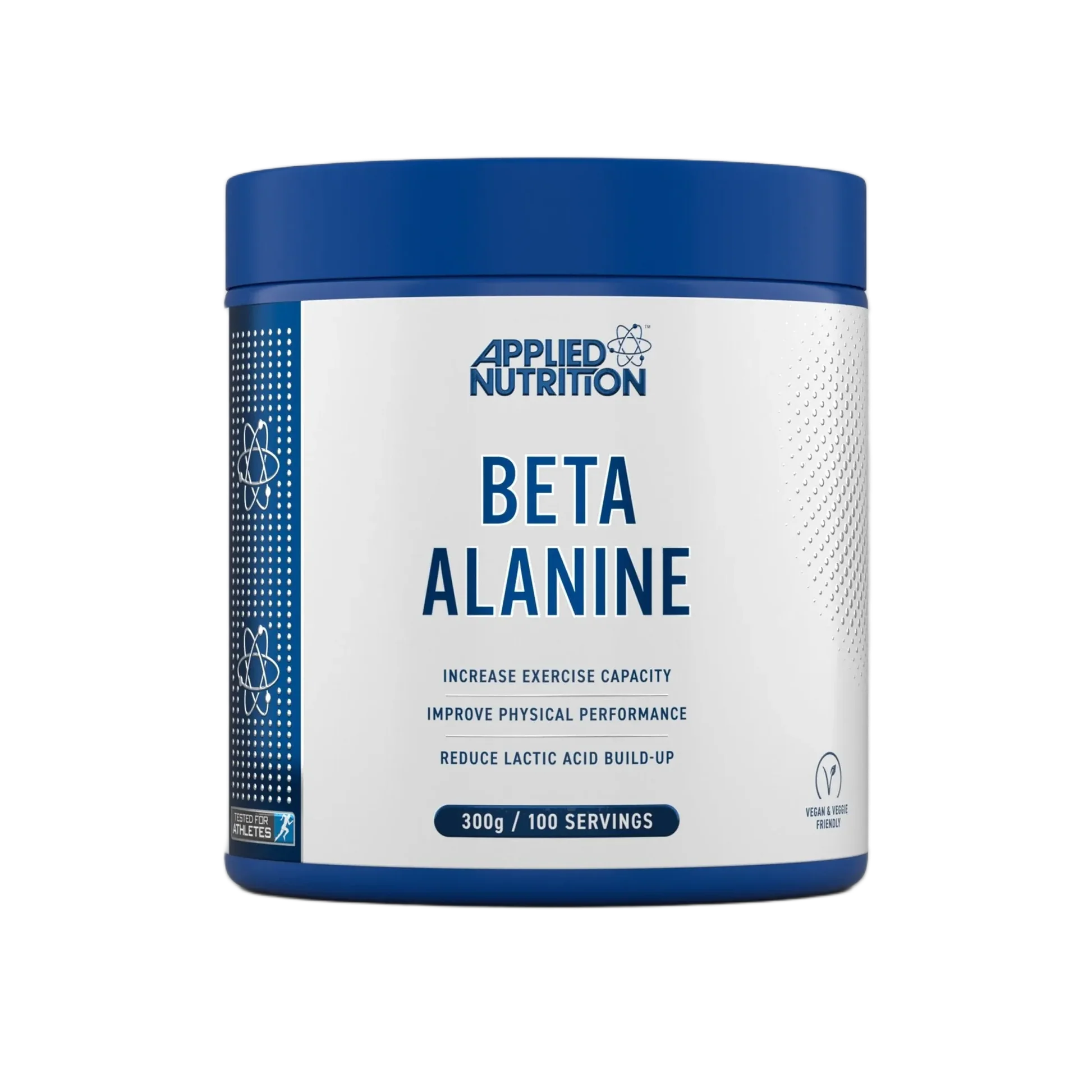
A standalone option like Applied Nutrition Beta-Alanine 300g allows you to control dosage without relying solely on pre-workout formulas.
Beta-alanine isn’t mandatory. But for certain training styles, it’s very useful.

2. Does beta-alanine improve workout performance?
Yes — but not in the way caffeine does.
Caffeine improves alertness and perceived energy.
Beta-alanine improves muscular endurance.
Studies show that increasing carnosine levels can enhance performance in efforts lasting roughly 60–240 seconds. That means:
• more reps before failure
• improved output in interval work
• better fatigue resistance
If you’re already using a comprehensive formula such as ABE Ultimate Pre-Workout, you’re likely already getting beta-alanine as part of the blend.
The key is consistency. Beta-alanine works through accumulation. It doesn’t “kick in” like caffeine.
It builds up.
3. How long does beta-alanine take to start working?
This is where many people misunderstand it.
Beta-alanine does not work acutely.
You don’t take it and immediately lift more weight.
It takes roughly 2–4 weeks of consistent daily intake to significantly elevate muscle carnosine levels.
This is why taking it sporadically, only on training days, is suboptimal.
If you want real performance benefits, daily dosing matters.
That’s why some athletes separate their ingredients rather than relying solely on pre-workout blends — using something like Applied Nutrition Beta-Alanine 300g daily, regardless of whether they take a stimulant formula.
This isn’t a “feel it instantly” supplement.
It’s a “notice it over time” supplement.

4. Does beta-alanine help you push more reps?
Yes — particularly in moderate rep ranges.
As hydrogen ions accumulate during intense training, the burning sensation increases and muscular contraction becomes less efficient.
Higher muscle carnosine levels help buffer that acid buildup, allowing you to sustain output slightly longer.
It won’t magically add 5 reps overnight.
But over time, small improvements in fatigue resistance compound into meaningful progress.
Combine that with a strength-supporting ingredient like Naughty Boy Prime Creatine, and you’re improving both:
• explosive power (creatine)
• fatigue buffering (beta-alanine)
That combination makes sense for performance-focused lifters.

5. Does beta-alanine give you a pump?
No — and this is where marketing often blurs the lines.
Pump comes primarily from nitric oxide enhancers like citrulline and adequate blood flow — not beta-alanine.
If your goal is maximal pump without stimulants, something like ABE Pump (Stim-Free Pre-Workout) makes far more sense. It focuses on blood flow and nitric oxide support.
Beta-alanine is about endurance.
Citrulline is about pump.
Caffeine is about stimulation.
Different tools. Different outcomes.
Intermission
So far, we’ve clarified what beta-alanine actually does — and what it doesn’t.
It does not spike energy.
It does not directly build muscle.
It does not instantly improve performance.
It improves fatigue resistance over time by raising muscle carnosine levels.
In Part 2, we’ll cover safety, tingling, stacking with creatine, long-term use, and answer the big question: is beta-alanine actually worth adding to your supplement stack?
PART 2
6. Is beta-alanine better when combined with creatine?
Beta-alanine and creatine are often paired because they improve performance through different mechanisms.
Creatine increases ATP availability, supporting short bursts of maximal power.
Beta-alanine increases muscle carnosine levels, helping buffer fatigue during sustained high-intensity efforts.
Together they support:
• explosive strength output
• fatigue resistance
• improved training volume
• better performance across multiple rep ranges
A strength-focused foundation such as Naughty Boy Prime Creatine paired with endurance support from beta-alanine creates a performance synergy rather than redundancy.
One improves power.
The other delays fatigue.
That combination makes sense for lifters pushing progressive overload.

7. Is beta-alanine safe to take every day?
Yes. Beta-alanine is considered safe for daily use within recommended dosing ranges.
Most research supports a daily intake of:
3.2–6.4 grams per day
Daily intake is important because beta-alanine works through accumulation. Skipping days reduces the rate at which muscle carnosine levels rise.
Long-term studies have not shown harmful effects in healthy individuals.
As with any performance supplement, hydration and electrolyte balance remain important. Supporting hydration with Per4m Hydrate Electrolyte Mix can help maintain muscle function and performance during intense training phases.
Consistency and recovery habits matter as much as supplementation.
8. What does beta-alanine feel like when it kicks in?
The tingling sensation — known as paresthesia — is the most recognisable effect of beta-alanine.
It can feel like:
• pins and needles
• warmth in the skin
• itching or tingling on the face and arms
This sensation is harmless and temporary. It occurs when beta-alanine activates nerve receptors in the skin.
Important:
The tingling is not an indicator of effectiveness.
You can still build carnosine levels without feeling it, especially if doses are split throughout the day.
Some pre-workout formulas include beta-alanine in doses high enough to create noticeable tingling, which users often associate with the product “working.”
The sensation is optional. The performance benefit is cumulative.
9. Are there any downsides to beta-alanine?
Beta-alanine is well tolerated, but there are a few considerations:
• tingling sensation can feel uncomfortable to some users
• large single doses may intensify paresthesia
• benefits are specific to endurance performance, not maximal strength
If your training consists solely of low-rep strength work with long rest periods, beta-alanine may provide limited benefit.
Recovery still plays a critical role in performance. Supporting muscle function and reducing cramping risk with Per4m Advanced Magnesium can help maintain training consistency during intense phases.
No supplement replaces intelligent training and recovery habits.

10. Is beta-alanine worth adding to your supplement stack?
It depends on how you train.
Beta-alanine is worth adding if you:
• perform high-rep hypertrophy training
• do circuits, conditioning, or CrossFit-style workouts
• train in short rest intervals
• want to delay muscular fatigue
• push close to failure regularly
It may be less useful if your training is limited to low-rep maximal strength with long rest periods.
If you already use a comprehensive formula such as ABE Ultimate Pre-Workout, you may already be receiving beta-alanine as part of the blend.
For pump-focused sessions without stimulants, ABE Pump supports nitric oxide production and blood flow — complementing endurance support rather than replacing it.
Beta-alanine isn’t magic.
But in the right training context, it is effective.
Conclusion
Beta-alanine is not a stimulant. It doesn’t energise you. It doesn’t instantly increase strength. And it doesn’t create the muscle pump many people associate with pre-workout performance.
What it does is delay fatigue.
By increasing muscle carnosine levels, beta-alanine helps buffer acid buildup during high-intensity efforts, allowing you to sustain output slightly longer. Over time, that improved fatigue resistance contributes to greater training volume and performance progress.
Paired with strength support such as Naughty Boy Prime Creatine, performance formulas like ABE Ultimate Pre-Workout, and recovery support from Per4m Advanced Magnesium, beta-alanine becomes part of a broader performance strategy rather than a standalone solution.
It isn’t essential for everyone.
But for high-intensity training and fatigue resistance, it earns its place.
FAQ
Why does beta-alanine make you tingle?
It activates nerve receptors in the skin, causing harmless tingling known as paresthesia.
Does beta-alanine build muscle?
Not directly. It improves endurance, allowing you to train harder over time.
How long does beta-alanine take to work?
Muscle carnosine levels increase over 2–4 weeks of consistent use.
Is beta-alanine safe to take daily?
Yes, within recommended dosing ranges.
Do you need beta-alanine in pre-workout?
Not necessarily, but it can improve fatigue resistance during high-intensity training.