Leg training has a reputation for excess. Endless variations, long sessions, crippling soreness — all worn as a badge of honour. If arms are where people overdo variety, legs are where people overdo everything.
But leg growth doesn’t reward chaos. It rewards manageable volume, intelligent exercise selection, and enough recovery to actually adapt. More exercises don’t automatically mean more muscle — especially when the legs are already carrying the highest systemic load of any muscle group.
1. How Leg Volume Affects Muscle Growth
Leg muscles respond powerfully to volume — but only up to a point.
Quads, hamstrings, and glutes are large muscle groups capable of handling significant work. However, they also generate massive fatigue, both locally and systemically. Every hard leg set taxes not just the muscle, but the nervous system and recovery reserves.
Effective leg volume depends on:
-
total weekly sets
-
intensity and proximity to failure
-
distribution across the week
For most lifters, productive leg growth sits around 10–18 hard sets per week per muscle group, depending on experience and load. Beyond that, returns diminish quickly.
The common mistake is adding exercises instead of managing volume. Five leg exercises done poorly often deliver less growth than three exercises done with intent and progression. Leg muscles grow when workload is recoverable, not when sessions are brutal for the sake of it.

2. Why More Leg Exercises Isn’t Always Better
Adding leg exercises feels logical. If one squat variation works, surely five will work better.
In practice, leg training breaks down fast when variety replaces focus.
Each extra exercise adds:
-
fatigue accumulation
-
longer sessions
-
poorer execution later in the workout
Leg sessions are especially vulnerable to this because fatigue compounds quickly. Once the nervous system is taxed, later sets produce less mechanical tension — even if they feel harder.
This is why people can spend hours training legs yet see no progress. Effort is high, stimulus quality is low.
Improving performance on fewer movements almost always outperforms adding new ones. Support tools like Naughty Boy Prime Creatine can help improve repeat output on key lifts, but only when exercise count is controlled. More exercises don’t solve poor progression — better execution does.
3. How Many Sets Matter More Than Leg Exercise Variety
Leg growth responds best to structured set volume, not endless movement selection.
Most lifters progress faster by:
-
choosing 2–3 primary leg movements
-
assigning clear set targets
-
progressing load or reps over time
A simple structure works well:
-
one knee-dominant lift
-
one hip-dominant lift
-
one secondary or accessory movement
Within that structure, set quality matters more than exercise count. You don’t need four squat variations if none are progressing.
Recovery determines whether those sets turn into muscle. Adequate protein intake supports this process, but it doesn’t rescue poor planning. Per4m Advanced Whey Protein helps meet daily requirements — it doesn’t justify junk volume.
Legs don’t need novelty. They need consistency.

4. When Adding Leg Exercises Improves Results
More exercises become useful only after the basics are exhausted.
Adding movements makes sense when:
-
compound lifts plateau despite good recovery
-
specific muscles lag (e.g. hamstrings behind quads)
-
joint stress limits progression on one pattern
At this stage, extra exercises increase targeted tension, not just workload. The difference is intent. Each added movement solves a specific problem.
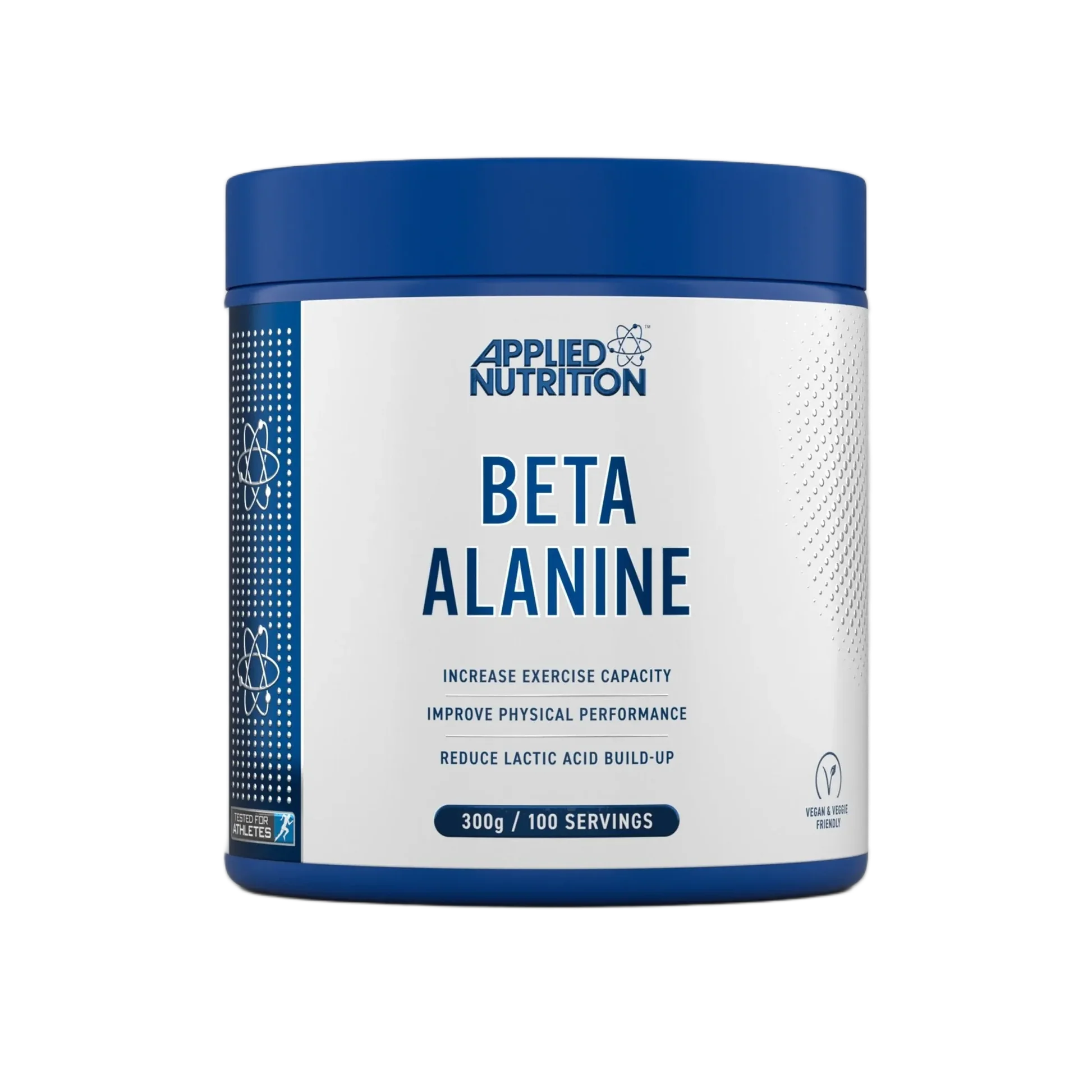
Fatigue tolerance becomes critical here. High-rep leg work, extended sets, and accessories push metabolic stress higher. Applied Nutrition Beta-Alanine can support this style of training by improving fatigue tolerance — but it doesn’t compensate for excessive volume.
Extra exercises work when recovery is respected.

5. How Recovery Limits Leg Training Volume
Leg training has the highest recovery cost of any body part.
Heavy squats, presses, and hinges place enormous demand on:
-
the nervous system
-
connective tissue
-
sleep quality
-
overall weekly workload
Signs recovery is being exceeded include:
-
declining performance week to week
-
persistent soreness without strength gains
-
poor motivation on leg days
-
feeling “drained” outside the gym
When recovery becomes the limiter, adding more exercises is the fastest way to stall progress. Growth resumes when volume is trimmed and recovery improves.
This is why sleep quality often determines leg growth more than motivation. Per4m Sleep supports recovery capacity, while Supplement Needs Omega 3 helps manage inflammation from heavy loading — both become increasingly important as leg volume climbs.
Legs don’t fail from lack of effort. They fail from lack of recovery.
Intermission
In Part 1, we’ve covered why leg growth is driven by recoverable volume, not exercise count — and why piling on movements often reduces progress rather than improving it.
In Part 2, we’ll look at:
-
why compound lifts already do most of the leg work
-
when isolation leg exercises actually become necessary
-
how training experience changes leg exercise needs
-
warning signs of excessive leg volume
-
how to balance quads, hamstrings, and glutes effectively
6. Why Compound Lifts Do Most of the Leg Work
One of the biggest reasons people overprogram leg days is forgetting how demanding compound lifts already are.
Squats, leg presses, Romanian deadlifts, lunges, and split squats load multiple muscle groups at once. Quads, hamstrings, glutes, adductors, and even calves contribute meaningfully. For many lifters, these movements already deliver the majority of the stimulus legs need.
This is why early leg growth often happens without elaborate programming. Progressing compounds alone can be enough for a long time. Problems arise when people stack heavy compound work and high-volume isolation on top of it, assuming more equals better.
If your main lifts are progressing, your legs are already working hard. Extra exercises should only be added when those lifts stop doing the job — not as default.

7. When Isolation Leg Exercises Become Necessary
Isolation work has a role, but it’s narrower than most routines suggest.
Isolation becomes useful when:
-
one muscle group lags behind the rest
-
compounds are limited by technique or joint stress
-
you need targeted tension without increasing systemic fatigue
For example, hamstrings often benefit from direct work once squat strength climbs. Glutes may need extra attention if hip drive stalls. In these cases, isolation improves balance — not total volume for its own sake.
The mistake is treating isolation as a replacement for compounds rather than a supplement to them. Isolation refines growth. It doesn’t create it on its own.
8. How Training Experience Changes Leg Exercise Needs
Experience changes both stimulus requirements and recovery limits.
Beginners grow legs with minimal direct work. Intermediates benefit from modest additions. Advanced lifters often need carefully placed isolation just to keep progress moving — but they also tolerate less junk volume.
As strength increases:
-
joint stress rises
-
recovery slows
-
margin for error shrinks
This is where recovery support becomes decisive. Per4m Sleep helps raise the recovery ceiling, while Supplement Needs Omega 3 High Strength supports joint health under heavy loading. These don’t replace good programming — they allow it to work consistently.
Advanced legs don’t need longer sessions. They need better-managed stress.
9. Signs You’re Doing Too Much Leg Volume
Leg overtraining rarely looks dramatic. It looks stagnant.
Common signs include:
-
strength dropping despite high effort
-
constant soreness without size increases
-
leg days becoming mentally draining
-
needing more exercises just to feel worked
At this point, the answer isn’t more variation — it’s restraint. Reducing exercise count, improving set quality, and restoring recovery almost always restart progress.
Tools like Naughty Boy Prime Creatine can help restore output on key lifts, but only once total workload is brought back into a recoverable range. Supplements support execution — they don’t override fatigue debt.

10. How to Balance Quads, Hamstrings, and Glutes
Balanced leg development isn’t achieved by equal exercise count. It’s achieved by balanced stimulus.
Most lifters unintentionally bias quads while undertraining hamstrings and glutes. Over time, this leads to stalled strength, poor mechanics, and uneven development.
A practical approach works well:
-
knee-dominant work for quads
-
hip-dominant work for glutes and hamstrings
-
isolation only where imbalance exists
Volume should reflect muscle size, recovery cost, and contribution to performance — not symmetry on paper.
Fatigue tolerance matters here too. Applied Nutrition Beta-Alanine can support higher-rep leg work, while Per4m Advanced Whey Protein helps meet the recovery demands that heavy lower-body training creates. But neither replaces intelligent balance.
Conclusion
Leg growth is not limited by how many exercises you can fit into a workout. It’s limited by how much recoverable stress your lower body can handle across the week.
For most lifters, fewer exercises done consistently outperform long, punishing sessions packed with variety. Compound lifts already do the heavy lifting. Isolation refines progress only when it’s targeted and controlled.
If your legs aren’t growing, the solution is rarely more movements. It’s better structure, smarter volume, and enough recovery to actually adapt.
FAQ
How many leg exercises should you do per workout?
Most people only need 3–5 total leg exercises per session, depending on intensity and compounds used.
Can you do too many leg exercises?
Yes. Excessive leg volume often stalls growth and overwhelms recovery.
How many sets do legs need per week?
Around 10–18 hard sets per muscle group works well for most lifters.
Is one leg day enough per week?
It can be, but many people progress better splitting volume across two sessions.
Do squats train legs enough on their own?
For beginners, often yes. As experience increases, additional work may be needed.