Arm training attracts extremes. Some people barely train arms at all, assuming compounds will handle everything. Others throw every curl and extension they know into a single session, chasing a pump that never seems to turn into size.
The truth sits in between. Arm growth isn’t dictated by how many exercises you do — it’s dictated by how much effective work your biceps and triceps can recover from and adapt to. Once you understand how arm volume actually works, the noise falls away.
1. How Arm Volume Affects Muscle Growth
Muscle growth responds to volume, but not in the way most routines imply.
Your arms don’t grow because you hit them from ten angles. They grow because enough hard sets accumulate over time — sets taken close to failure, performed with intent, and progressed week to week.
Volume is best understood as:
-
total weekly sets per muscle
-
quality of those sets
-
recovery between sessions
For most lifters, biceps and triceps respond well to 10–16 hard sets per week, split across multiple sessions. Some can handle more, some less, but very few benefit from dramatically exceeding that range.
Problems start when people increase exercise count instead of effective volume. Five exercises done half-heartedly often deliver less stimulus than two exercises pushed properly. More movements dilute effort, increase fatigue, and reduce progression.
Arms don’t care how creative your workout looks. They care how much tension they experience and whether they’re given time to recover.

2. Why More Arm Exercises Isn’t Always Better
Adding exercises feels productive — but past a certain point, it becomes counterproductive.
Each additional arm exercise:
-
adds fatigue
-
increases elbow and shoulder stress
-
eats into recovery capacity
But it doesn’t automatically increase growth stimulus.
Arms are small muscle groups. They fatigue quickly, and once they’re tired, later exercises produce very little mechanical tension. The sets feel brutal, but the stimulus is weak. This is why people often report huge pumps with zero long-term progress.
When arm sessions get bloated, the issue isn’t effort — it’s allocation. Too much work is done in a fatigued state where growth signals are minimal.
This is also why improving performance on fewer exercises often works better than adding more. Tools like Naughty Boy Prime Creatine can help here by improving set quality and repeat performance, allowing you to get more out of the same movements instead of chasing volume through variety.
3. How Many Sets Matter More Than Exercise Variety
Arms respond best to consistency, not novelty.
Most lifters grow their arms faster by:
-
picking 1–2 biceps movements
-
1–2 triceps movements
-
progressing them steadily
Exercise variety has a place, but it should serve a purpose:
-
reducing joint irritation
-
addressing weak ranges
-
maintaining long-term adherence
It shouldn’t replace overload.
A simple framework works well:
-
6–8 sets per muscle per session
-
2 sessions per week
-
movements you can load and control
Protein intake and recovery determine whether that volume actually leads to growth. Per4m Advanced Whey Protein supports meeting daily protein needs, but it doesn’t compensate for poorly structured training. Food supports adaptation — it doesn’t replace it.
If your arms aren’t growing, it’s rarely because you need another curl variation. It’s usually because the sets you’re doing aren’t accumulating into meaningful weekly volume.

4. When Adding Arm Exercises Improves Results
More exercises can help — but only once certain conditions are met.
Adding movements makes sense when:
-
compound lifts no longer provide sufficient arm stimulus
-
a specific head of the biceps or triceps is lagging
-
joint stress limits progression on one exercise
At this stage, additional isolation work increases targeted tension, not just fatigue. The key difference is intent. Extra exercises are added to solve a problem, not to chase sensation.
Recovery becomes the limiting factor here. Sleep quality, nutrition, and inflammation control determine whether added volume translates to growth or stagnation. Per4m Sleep supports recovery capacity, while Supplement Needs Omega 3 can help manage joint stress — both of which matter far more once volume climbs.
More work only helps if you can recover from it.

5. How Recovery Limits Arm Training Volume
Recovery is the ceiling for arm growth — not motivation.
Arms might recover faster than legs or back, but they’re still limited by:
-
connective tissue tolerance
-
nervous system fatigue
-
sleep quality
-
overall training load
Signs recovery is being exceeded include:
-
persistent elbow or shoulder irritation
-
declining performance session to session
-
soreness without strength progression
-
needing more exercises to feel “worked”
When recovery is capped, adding volume backfires. Growth stalls, joints ache, and arms feel perpetually flat.
This is where people misdiagnose the problem. They assume they need more exercises, when what they actually need is less work done better, supported by adequate recovery and sensible weekly volume.
Intermission
In Part 1, we’ve covered why arm growth is driven by effective volume, not exercise count — and why piling on movements often slows progress rather than speeding it up.
Now in Part 2, we’ll look at:
-
how compound lifts already train your arms
-
when isolation work becomes necessary
-
how training experience changes arm exercise needs
-
signs you’re doing too much arm volume
-
how to balance biceps and triceps properly
6. Why Compound Lifts Already Train Your Arms
One of the most overlooked reasons people overdo arm training is that they forget how much work their arms already do.
Every pulling movement — rows, pull-ups, lat pulldowns — heavily loads the biceps. Every pressing movement — bench, overhead press, dips — places substantial demand on the triceps. In many training programmes, arms are already receiving 8–12 hard sets per week before a single curl or extension is added.
This is why beginners often see arm growth without direct arm days at all. The stimulus is already there. The mistake comes when lifters stack heavy compound training on top of high-volume isolation work and then wonder why elbows ache and progress stalls.
If your compounds are progressing, your arms are not “undertrained” — they’re often overworked quietly.

7. When Isolation Work Becomes Necessary
Isolation work earns its place when compounds stop doing enough.
This usually happens when:
-
overall strength is high
-
compound lifts no longer challenge the arms relative to larger muscles
-
specific arm muscles lag behind the rest of the physique
At this stage, isolation isn’t about chasing a pump — it’s about direct tension. One or two well-chosen movements, progressed consistently, will outperform sprawling arm routines every time.
The goal is not to exhaust the muscle from every angle, but to apply enough focused stress that adaptation becomes unavoidable — while still allowing recovery.
8. How Training Experience Changes Arm Exercise Needs
Experience level changes everything.
Beginners need very little direct arm work. Intermediates benefit from small, targeted additions. Advanced lifters often require deliberate isolation simply to keep arms growing at all.
But experience also reduces tolerance for junk volume.
As you get stronger:
-
joints take more strain
-
recovery slows
-
margin for error narrows
This is where recovery support becomes non-negotiable. Per4m Sleep helps raise the recovery ceiling, while Supplement Needs Omega 3 High Strength supports joint health under repeated loading. These don’t replace good programming — they allow it to work consistently.
Advanced arms don’t need more exercises. They need better-managed volume.
9. Signs You’re Doing Too Much Arm Volume
Too much arm work rarely announces itself loudly. It creeps in.
Common warning signs include:
-
elbows that ache even on warm-up sets
-
pumps that feel dramatic but never translate into growth
-
stalled strength despite more exercises
-
needing longer sessions just to “feel” arms working
At this point, adding another curl variation is the worst possible move. Progress resumes when volume is trimmed, exercises are reduced, and performance is rebuilt.
Supportive tools like Naughty Boy Prime Creatine can help restore set quality, but only if total workload is brought back within recoverable limits.

10. How to Balance Biceps and Triceps Work
Balanced arms aren’t built by symmetry in exercise count — they’re built by symmetry in stimulus.
Triceps make up a larger portion of upper-arm mass, yet many people still prioritise biceps with double the volume. Over time, this leads to arms that look flat from the side and underdeveloped in shirts.
A simple rule works well:
-
slightly more triceps sets than biceps
-
similar intensity and progression standards
-
equal respect for recovery
Volume should reflect muscle size and recovery capacity, not mirror-image routines.
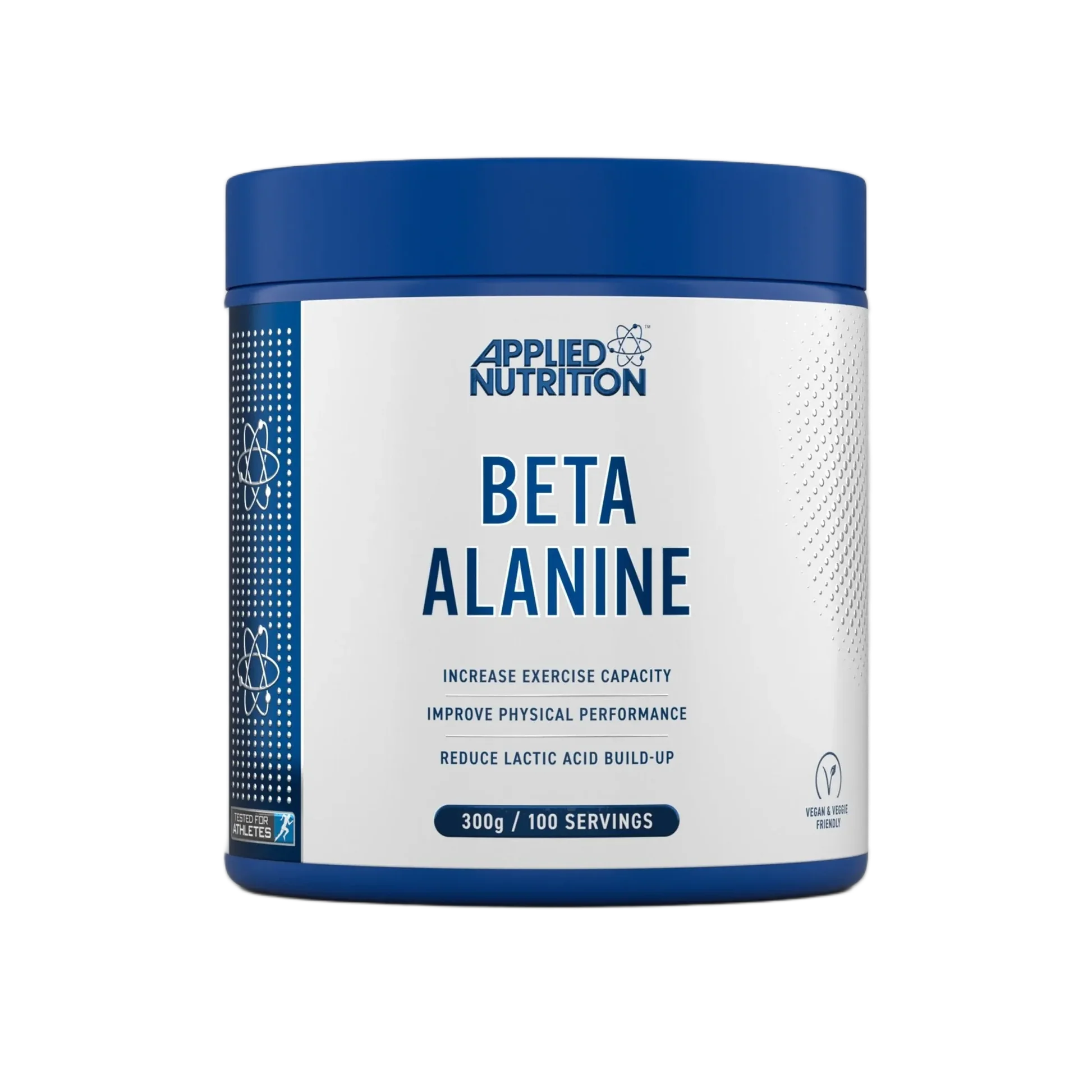
Fueling training properly matters here too. Applied Nutrition Beta-Alanine can support higher-rep arm work and volume tolerance, but it doesn’t justify poor balance or excessive workload. Supplements support execution — not bad structure.
Conclusion
Arm growth isn’t about how many exercises you can fit into a workout. It’s about how much effective, recoverable volume your arms receive across the week.
Most people don’t need more movements. They need fewer exercises done better, supported by adequate recovery and realistic volume targets. Compound lifts already do a significant amount of the work. Isolation becomes useful only when it’s purposeful, restrained, and progressed.
If your arms aren’t growing, the solution is rarely to add more. It’s to refine what’s already there.
FAQ
How many arm exercises should you do per workout?
Most people only need 2–4 total arm exercises per session, depending on how much arm work their compound lifts already provide.
Can you do too many arm exercises?
Yes. Excessive arm volume often leads to stalled growth, elbow pain, and poor recovery.
How many sets do biceps and triceps need per week?
Around 10–16 hard sets per week per muscle is effective for most lifters.
Should you train arms separately?
Only if your compounds no longer provide enough stimulus or arms are lagging behind.
Why aren’t my arms growing despite high volume?
Because effective volume and recovery matter more than exercise count.