


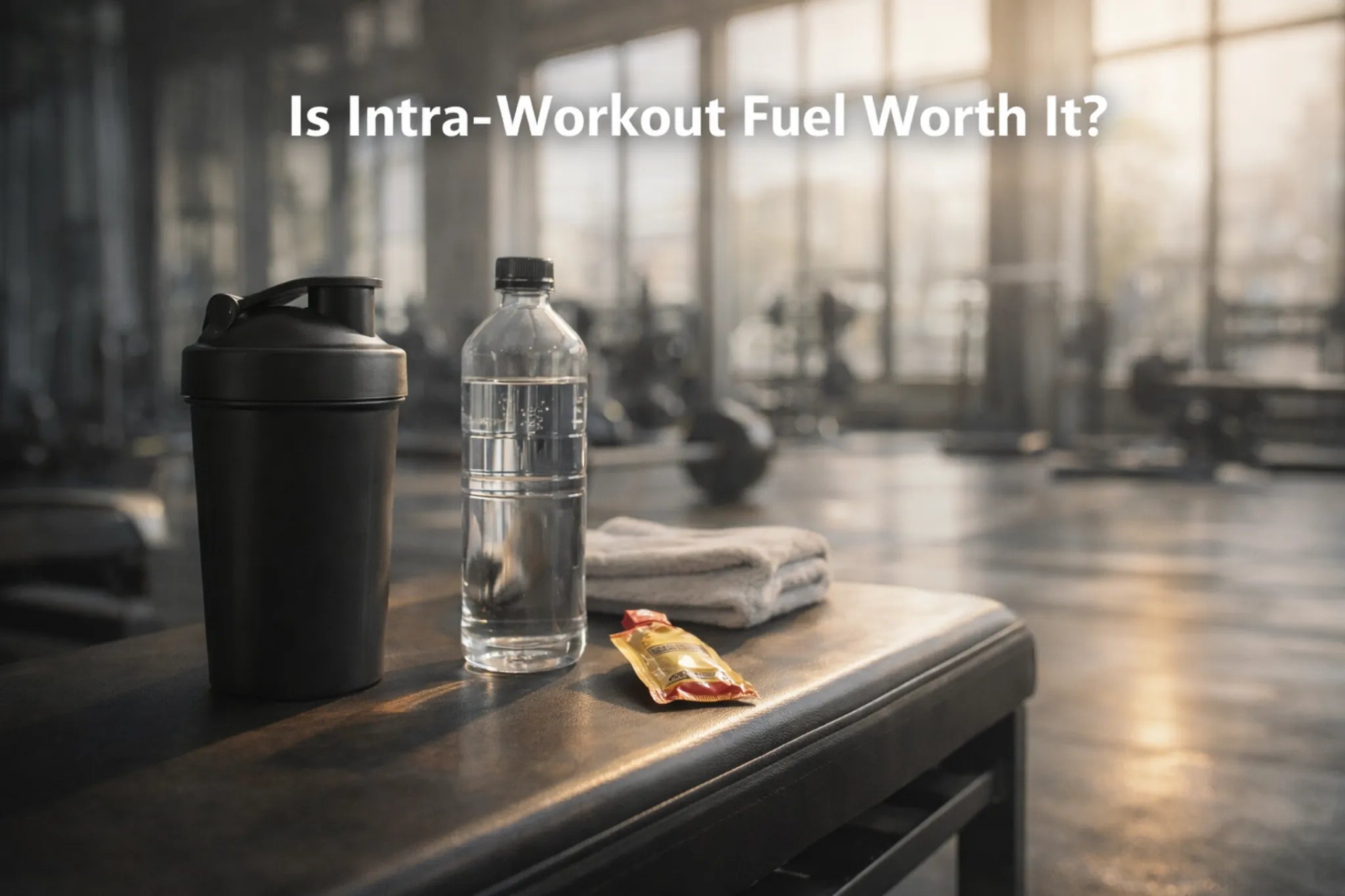
There’s a moment in almost every hard training session where the energy dips.
Reps slow down. Focus blurs. Muscles feel heavier than they should. You start questioning whether it’s fatigue — or just bad programming.
And that’s where intra-workout fuel enters the conversation.
You’ve seen the claims:
-
Better endurance
-
Less muscle breakdown
-
Sustained strength
-
Fewer mid-session crashes
But is intra-workout supplementation actually worth it — or is it just expensive flavoured water?
If you’re already using a strong pre-session performance formula like Applied Nutrition ABE Ultimate Pre-Workout, and you’re structured with your daily nutrition, the next logical question becomes:
Do you really need something during the workout as well?
Let’s break it down properly.
1. Do Intra-Workout Supplements Actually Improve Performance?
It depends entirely on the session.
For a 45-minute moderate lift? Probably not essential.
For a 90-minute hypertrophy session, high-volume leg day, endurance block, or conditioning workout? It can absolutely make a difference.
During longer sessions, glycogen depletion begins to creep in. Blood glucose can drop. Neural output declines. That’s when performance falls off mid-session — not because you’re weak, but because you’re under-fuelled.
This is where fast-absorbing carbohydrate sources like High 5 Energy Gel make practical sense.
High 5 gels provide rapidly digestible carbohydrates that:
-
Maintain blood glucose
-
Support sustained energy
-
Delay fatigue onset
-
Reduce mid-session crashes
This isn’t marketing — it’s basic physiology. When energy availability drops, output drops.
Sipping easily digestible carbs during longer sessions keeps intensity higher for longer.
And intensity is what drives adaptation.

2. Are Intra-Workout Drinks Better Than Water?
Water handles hydration.
It does not handle fuel.
For short sessions, water is enough. But hydration alone does not replenish glycogen or provide immediate energy.
Intra-workout strategies combine:
-
Fluids
-
Electrolytes
-
Carbohydrates
-
Sometimes amino acids
If your session is long, high-volume, or particularly demanding, water alone may not support optimal performance.
That doesn’t mean everyone needs an intra drink.
It means session context matters.
For example:
-
Heavy push day with drop sets and extended sets? Fuel helps.
-
30-minute light upper body pump? Probably unnecessary.
Performance nutrition should match workload.
3. Is Intra-Workout the Same as BCAA?
No — and this is where confusion begins.
Traditional intra-workout marketing revolved around BCAAs.
But BCAAs (leucine, isoleucine, valine) are only three amino acids.
They do not provide full-spectrum essential amino acid support.
They do not provide carbohydrates.
They do not provide meaningful energy.
Modern intra-workout thinking shifts toward:
-
EAAs or complete protein sources
-
Carbohydrates
-
Electrolytes
If you’re training fasted, sipping something like Applied Nutrition Clear Whey Protein during your session can provide amino acids that support muscle protein synthesis while being light and easy to digest.
Clear Whey isn’t a heavy shake. It’s refreshing, easily tolerated, and provides full-spectrum protein support — making it a more practical option than standalone BCAAs.
Intra isn’t just about amino acids anymore.
It’s about strategic fuel.
4. Do You Really Need BCAAs During a Workout?
If you consume adequate daily protein, BCAAs are rarely necessary on their own.
Muscle protein synthesis depends on total essential amino acid intake — not just leucine spikes.
If someone trains fasted or struggles to hit daily protein targets, intra protein sources may help.
But for most lifters eating sufficient protein across the day, intra BCAAs alone offer minimal added benefit.
Energy and hydration are often the bigger performance variables.
That’s why carbohydrates and electrolytes tend to make a larger impact than isolated amino acids.

5. Are Intra Carbs Necessary for Muscle Growth?
Necessary? No.
Helpful? In the right context — yes.
Muscle growth is driven by:
-
Progressive overload
-
Adequate protein
-
Sufficient total calories
-
Recovery
Intra carbs don’t magically build muscle.
But they can:
-
Improve session quality
-
Increase total volume tolerance
-
Maintain strength across sets
-
Reduce performance decline
And session quality directly influences growth.
If you’re deep into a high-volume training block, or pushing intensity hard, carbohydrate availability matters.
High 5 Energy Gel during a brutal session can maintain output when glycogen is low — particularly if training is early morning, fasted, or deep into a cut.
Fuel supports output.
Output supports growth.
Part 1 Intermission
So far we’ve covered:
-
Whether intra-workout improves performance
-
Water vs true fuel
-
BCAA misconceptions
-
Amino acid relevance
-
Carbohydrates during training
In Part 2, we’ll break down:
-
Do intra supplements prevent muscle breakdown?
-
What ingredients actually matter?
-
Are there side effects?
-
Who truly benefits from intra-workout fuel?
-
Is intra only useful for long or intense sessions?
And we’ll tie it all together — including how recovery tools like Per4m Advanced Magnesium, systemic support like Per4m Advanced Omega-3, and pre-session intensity from ABE Ultimate Pre-Workout fit into a complete performance structure.
PART 2
6. Do Intra-Workout Supplements Help Prevent Muscle Breakdown?
This is one of the most overstated claims in the supplement industry.
Muscle breakdown (MPB) is a natural part of training. You don’t eliminate it — you outpace it with muscle protein synthesis (MPS).
Intra-workout supplements don’t magically “switch off” muscle breakdown.
What they can do is:
-
Provide amino acids during long sessions
-
Maintain energy availability
-
Reduce excessive fatigue
-
Support performance under stress
If you’re training fasted, sipping Applied Nutrition Clear Whey Protein during your workout supplies full-spectrum amino acids that support MPS while you train.
If you’re fed and well-nourished, the protective effect is smaller — because your body already has circulating amino acids.
Intra support isn’t about stopping breakdown entirely.
It’s about supporting balance when sessions are long, intense, or poorly timed relative to meals.
7. What Ingredients Should a Good Intra-Workout Contain?
Strip away the marketing and focus on physiology.
A useful intra-workout typically includes:
-
Fast-digesting carbohydrates
-
Electrolytes
-
Optional amino acids
-
Fluids
That’s it.
Carbohydrates (like those in High 5 Energy Gel) maintain blood glucose and delay fatigue.
Electrolytes support hydration and muscle contraction efficiency.
Amino acids — ideally from complete protein sources like Clear Whey — can support muscle protein synthesis when training fasted or deep into a calorie deficit.
What you don’t need:
-
High caffeine (that’s pre-workout territory)
-
Exotic stimulants
-
Overcomplicated proprietary blends
Intra-workout fuel should support performance, not overstimulate you.
Pre-session intensity can come from something like Applied Nutrition ABE Ultimate Pre-Workout.
Intra-workout should sustain, not spike.
8. Are There Side Effects of Intra-Workout Drinks?
Side effects usually come from misuse.
Common issues include:
-
Stomach discomfort from excessive carb intake
-
Bloating from poorly mixed powders
-
Nausea from drinking too quickly
-
GI distress from overly concentrated solutions
More isn’t better.
If your session doesn’t justify intra carbs, you don’t need them.
If you use intra fuel:
-
Keep carb dosing moderate
-
Sip slowly
-
Adjust based on session length
Hydration balance matters too. Overloading sodium or carbohydrates without adequate water can cause discomfort.
Recovery factors — including sleep and nervous system regulation — also influence how your body tolerates long training sessions. That’s where support supplements like Per4m Advanced Magnesium can indirectly enhance overall training resilience by improving sleep quality and muscular relaxation outside the gym.
Intra isn’t dangerous.
Poor dosing is.

9. Who Actually Benefits From Intra-Workout Supplements?
Not beginners.
Not casual gym-goers doing 45-minute pump sessions.
The people who benefit most are:
-
Athletes training 75+ minutes
-
High-volume hypertrophy phases
-
Endurance athletes
-
Two-a-day trainers
-
Fasted early-morning lifters
-
Individuals deep into a calorie deficit
If you regularly run out of energy mid-session — that’s your signal.
If your performance drops dramatically after the first 30 minutes — that’s your signal.
If you train hard enough that hydration and glycogen genuinely matter — intra-workout fuel becomes strategic, not optional.
For example:
-
Pre-session stimulation from ABE Ultimate Pre-Workout
-
Intra-session carbs from High 5 Energy Gel
-
Amino support from Clear Whey
-
Recovery support from Per4m Advanced Omega-3
-
Nervous system recovery from Per4m Advanced Magnesium
That’s a structured performance ecosystem.
Not random supplementation.
10. Is Intra-Workout Only Useful for Long or Intense Sessions?
Mostly — yes.
If your sessions are:
-
Short
-
Low volume
-
Moderate intensity
-
Well-fuelled beforehand
Intra-workout supplementation may not add much.
But when intensity rises, duration extends, or calorie intake drops — intra fuel can protect output.
And output drives results.
It’s not about always sipping something flashy.
It’s about matching fuel to demand.
For some lifters, intra is unnecessary.
For others, it’s the difference between a strong final 30 minutes and a flat finish.
Conclusion
Is intra-workout fuel worth it?
For the average lifter doing standard sessions? Probably not essential.
For high-volume training, endurance work, fasted sessions, or aggressive calorie deficits? Absolutely worth considering.
Intra-workout supplementation should:
-
Maintain performance
-
Support hydration
-
Sustain energy
-
Protect output
It shouldn’t replace solid pre-workout nutrition.
It shouldn’t replace total daily calories.
It shouldn’t replace recovery.
But when used strategically — it can elevate session quality.
High 5 Energy Gel provides fast carbohydrates when energy dips.
Applied Nutrition Clear Whey offers light, digestible amino support.
ABE Ultimate Pre-Workout primes intensity before the session.
Per4m Advanced Magnesium and Per4m Advanced Omega-3 support recovery outside it.
Intra isn’t magic.
It’s targeted fuel for targeted demand.
Use it when the session earns it.
FAQ
1. Is intra-workout fuel worth it?
It depends on session length and intensity. Longer, harder sessions benefit most.
2. Do intra-workout drinks improve performance?
They can help sustain energy and delay fatigue during long or high-volume training.
3. Are BCAAs enough during workouts?
Usually no. Complete protein or carbs tend to offer more meaningful support.
4. Do you need carbs during training?
Only when sessions are long, intense, or glycogen-depleting.
5. Can intra-workout prevent muscle breakdown?
It supports energy and amino availability but doesn’t eliminate muscle breakdown entirely.
6. Is intra-workout necessary for beginners?
Typically no.
7. Are there side effects of intra drinks?
Overconsumption can cause GI discomfort — dosing matters.
8. Should you use intra every workout?
Only when session demand justifies it.


