



For years, many gym-goers have believed that longer workouts automatically produce better results.
The logic seems convincing.
More time in the gym should mean more exercises, more sets and, ultimately, more muscle growth.
It's why some people spend well over ninety minutes training, convinced that anything less is cutting corners.
But is that actually true?
Modern research—and the routines followed by many experienced lifters—suggests something quite different.
Building muscle isn't about how long you're in the gym.
It's about what you accomplish while you're there.
A focused, well-planned 30 or 40-minute workout can often outperform a two-hour session filled with unnecessary exercises, long conversations and excessive rest periods.
The quality of your training almost always matters more than the length of it.
Whether you're balancing work, family commitments or simply prefer efficient workouts, shorter training sessions can still produce impressive muscle growth when they're structured correctly.
Let's explore how.
What Counts as a Short Workout?
"Short workout" means different things to different people.
For someone used to marathon two-hour gym sessions, a 60-minute workout may feel brief.
For someone training before work, even 30 minutes can feel like a luxury.
Generally speaking, workouts can be grouped as:
- 20–30 minutes: Very time-efficient sessions
- 30–45 minutes: Standard short workouts
- 45–60 minutes: Traditional gym sessions
- 60+ minutes: Longer, higher-volume workouts
The duration itself isn't what determines success.
Instead, what matters is:
- exercise selection
- training intensity
- total weekly volume
- progressive overload
- recovery
A focused 35-minute workout containing quality compound exercises often stimulates more muscle growth than an unfocused 90-minute session filled with unnecessary volume.
This is why many modern training programmes emphasise efficiency rather than simply spending more time inside the gym.

Can 20–45 Minute Workouts Build Muscle?
Absolutely.
Provided you train with sufficient effort, shorter workouts can stimulate hypertrophy extremely effectively.
Your muscles don't carry a stopwatch.
They respond to mechanical tension, training volume and progressive overload—not the number of minutes you've spent inside the gym.
Many successful programmes comfortably fit within 45 minutes by focusing on:
- compound lifts
- minimal wasted time
- sensible exercise selection
- effective working sets
- controlled rest periods
The key is ensuring that the majority of your workout is productive.
Spending thirty focused minutes lifting with intent is far more valuable than ninety minutes interrupted by scrolling your phone between every set.
As long as you're consistently challenging your muscles and gradually increasing training demands, shorter sessions remain highly effective for muscle growth.
Which Exercises Give the Best Results in Less Time?
If time is limited, every exercise needs to earn its place.
Compound movements should form the foundation of shorter workouts because they train multiple muscle groups simultaneously.
Examples include:
- squats
- deadlifts
- bench press
- overhead press
- pull-ups
- rows
These exercises recruit large amounts of muscle mass while allowing significant progressive overload.
Isolation exercises still have value, particularly for bringing up weaker muscle groups, but they're usually better placed towards the end of a session once the major lifts are complete.
Choosing exercises that deliver the greatest return on your time allows you to stimulate more muscle in fewer total movements.
Rather than performing ten different exercises, many lifters achieve excellent results with four or five carefully selected movements performed consistently.
Does Workout Intensity Matter More Than Duration?
In many situations, yes.
Intensity refers to how challenging your working sets actually are.
A highly focused 35-minute workout performed with excellent effort often produces better results than a leisurely 90-minute session where intensity gradually disappears.
This doesn't mean every set should end in complete failure.
Instead, it means training with purpose.
Maintaining good technique.
Applying progressive overload.
Reducing unnecessary distractions.
When workouts become shorter, maintaining concentration becomes even more important because every working set carries greater value.
Applied Nutrition Body Fuel Energy Shot – 12 × 60ml can naturally complement shorter training sessions by providing a convenient source of energy before workouts, helping you stay focused during high-quality resistance training.


Intensity creates the stimulus.
Time simply provides the opportunity.
The two aren't the same thing.

How Many Sets Are Enough for Muscle Growth?
More isn't always better.
Muscle growth depends on completing enough high-quality work—not endless amounts of it.
For most people, performing approximately:
- 10–20 quality working sets per muscle group each week
provides an excellent foundation for hypertrophy.
How those sets are distributed depends on your training programme.
For example:
- three sets today
- four sets later in the week
- another three sets during a third session
can often produce similar results to completing everything in one long workout.
This is one reason shorter sessions work so well.
Rather than trying to complete every exercise in one visit, training volume can be spread across multiple workouts throughout the week.
Quality almost always beats quantity.
Intermission
So far we've explored what qualifies as a short workout, why sessions lasting just 20–45 minutes can still build muscle, which exercises provide the greatest return on your time, why workout intensity often matters more than duration, and how many quality sets are typically needed for muscle growth.
In Part 2, we'll look at whether beginners can build muscle with shorter sessions, which supplements naturally support short, intense workouts, the common mistakes that reduce results, whether training more frequently can compensate for shorter sessions, and the most effective strategy for building muscle in less time.
Part 2
Can Beginners Build Muscle With Shorter Sessions?
Absolutely.
In fact, beginners are often the people who benefit most from shorter workouts.
When you're new to resistance training, your body responds quickly to relatively small amounts of well-structured exercise. You don't need dozens of exercises or marathon gym sessions to stimulate muscle growth.
Instead, beginners should focus on:
- learning proper technique
- performing compound exercises
- training consistently
- gradually increasing resistance
- recovering well between sessions
Shorter workouts also reduce mental fatigue.
Rather than trying to learn ten different exercises in one visit, beginners can master a handful of fundamental movements before gradually increasing training volume as experience grows.
Meeting daily protein requirements is equally important.
Applied Nutrition Clear Whey – 875g provides a convenient, refreshing source of high-quality protein, making it easier to support muscle recovery and growth after shorter resistance-training sessions.


For beginners, consistency almost always beats complexity.

Which Supplements Support Short, Intense Workouts?
Supplements don't build muscle on their own.
Their role is to support an already well-designed training and nutrition plan.
When workouts are shorter, maintaining energy, recovery and overall nutrition becomes even more important because each working set carries greater value.
Animal Daily Greens – 30 Packs can conveniently increase your intake of greens and plant-based nutrients, helping support overall nutrition alongside a balanced diet and structured resistance-training programme.

The foundations remain exactly the same regardless of workout length:
- adequate protein
- progressive overload
- sufficient calories
- quality sleep
- consistent training
Supplements should enhance these habits—not replace them.
What Mistakes Reduce Results From Shorter Workouts?
A shorter workout only works if it's used efficiently.
Unfortunately, many people waste a significant portion of their available training time.
Common mistakes include:
- spending too long on mobile phones
- performing too many warm-up sets
- choosing unnecessary isolation exercises
- resting far longer than needed
- constantly changing exercises
- failing to train close enough to muscular fatigue
Hydration is another factor that's often overlooked.
Even during shorter sessions, becoming dehydrated can reduce training quality, concentration and overall performance.
Ten Percent Club Electrolyte Drink Mix – 28 Sachets can naturally support hydration before, during or after demanding workouts, helping you maintain performance when training efficiently.


Remember, a 30-minute workout only remains effective if most of those 30 minutes are actually spent training.
Should You Train More Frequently if Your Workouts Are Short?
Often, yes.
One of the biggest advantages of shorter sessions is that they're easier to recover from and fit around everyday life.
Instead of completing one very long workout, many people benefit from spreading their weekly training volume across multiple shorter sessions.
For example:
- three 40-minute workouts
- four 30-minute workouts
- five focused 25-minute sessions
can all produce excellent muscle-building results if total weekly training volume remains appropriate.
Training more frequently also allows you to practise key movement patterns more often while reducing fatigue within each individual workout.
Rather than trying to "cram everything in," you're giving each muscle multiple opportunities to receive a high-quality training stimulus throughout the week.

What's the Best Way to Build Muscle in Less Time?
Building muscle efficiently isn't about rushing.
It's about eliminating everything that doesn't contribute to progress.
An effective short workout should prioritise:
- compound exercises first
- progressive overload
- quality over quantity
- controlled rest periods
- excellent technique
- consistent weekly training
Every exercise should have a clear purpose.
Every working set should be performed with intent.
Every week should move you slightly closer to your goal.
Supporting high-quality training is equally important.
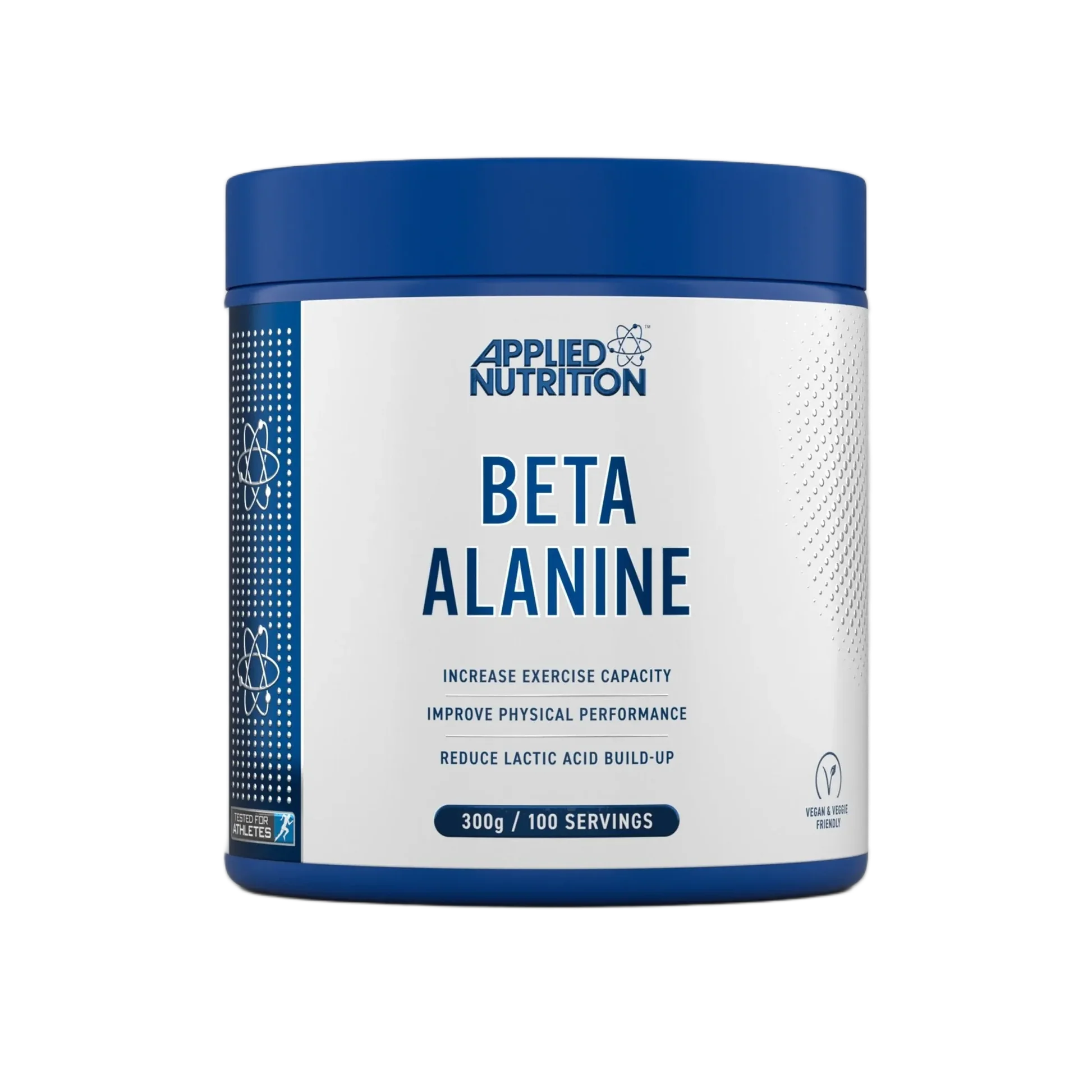
Applied Nutrition Beta-Alanine – 300g can naturally complement shorter, demanding resistance-training sessions by supporting performance during repeated high-intensity efforts, helping you maintain quality across your workout.
The best muscle-building programme isn't necessarily the longest.
It's the one you can perform consistently, recover from properly and progressively improve over months and years.
Conclusion
So, can you build muscle with shorter workouts?
Absolutely.
When your training includes progressive overload, effective exercise selection, sufficient intensity and adequate weekly training volume, sessions lasting just 20–45 minutes can produce excellent muscle growth.
Long workouts aren't automatically better.
In many cases, they're simply less efficient.
If you're focused, consistent and recovering properly, shorter workouts can fit around even the busiest lifestyle while still delivering impressive long-term results.
The goal isn't to spend more time in the gym.
It's to make every minute count.
FAQ
1. Can you build muscle with shorter workouts?
Yes. Well-structured workouts lasting 20–45 minutes can build muscle when they include progressive overload, quality exercises and sufficient weekly training volume.
2. Can 20-minute workouts build muscle?
They can, particularly if they're focused, include compound exercises and are performed consistently with adequate intensity.
3. Is a 45-minute workout enough to build muscle?
Yes. Many effective hypertrophy programmes comfortably fit within 45 minutes when distractions are minimised and exercise selection is efficient.
4. Does workout intensity matter more than workout length?
In many cases, yes. High-quality working sets performed with good effort usually have a greater impact on muscle growth than simply spending longer in the gym.
5. How many exercises do you need to build muscle?
Most people can build muscle effectively with four to six well-chosen exercises per workout, depending on their programme.
6. Should beginners do shorter workouts?
Yes. Shorter sessions help beginners learn technique, recover well and build consistency without unnecessary fatigue.
7. Should you train more often if your workouts are shorter?
Often, yes. Spreading your weekly training volume across multiple shorter sessions can be an effective way to support muscle growth.
8. What's the best workout length for hypertrophy?
There's no perfect duration. The best workout is one that allows sufficient training volume, progressive overload and consistent recovery, whether it lasts 30 or 60 minutes.


