


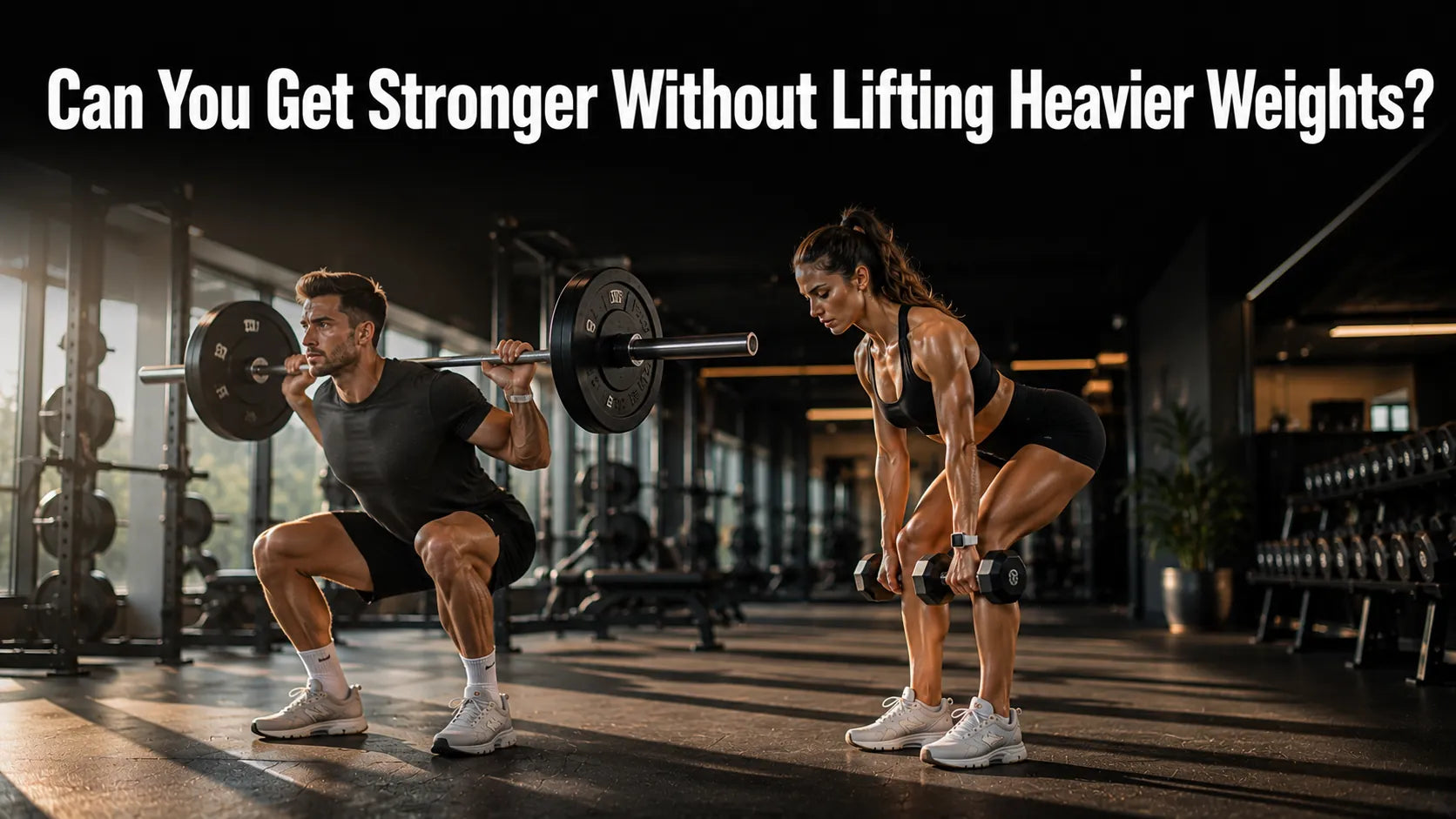
For many gym-goers, getting stronger seems to follow one simple rule:
Lift heavier.
Week after week.
Month after month.
While increasing the weight on the bar is certainly one of the most effective ways to build strength, it's far from the only method.
In fact, there comes a point where simply adding more weight isn't always possible—or even sensible.
Perhaps you've hit a plateau.
Maybe your dumbbells only go up to a certain weight.
Or perhaps your joints need a break from constantly chasing heavier lifts.
The good news is that your body responds to much more than the number printed on a weight plate.
Strength is built through progressive challenge.
Adding weight is only one way to create that challenge.
Improving technique, slowing repetitions, increasing range of motion and refining movement quality can all stimulate further strength gains.
Let's explore how.
1. Can You Build Strength Without Adding Weight?
Yes.
Strength isn't determined solely by how much weight you lift.
It's determined by how effectively your muscles and nervous system adapt to training.
Even if the load stays exactly the same, you can continue getting stronger by making an exercise more demanding.
Examples include:
- performing more repetitions
- slowing the lowering phase
- pausing during difficult positions
- increasing range of motion
- improving technique
- reducing momentum
Each of these changes asks your muscles to produce force in slightly different ways.
Your body doesn't recognise "20 kilograms."
It recognises challenge.
If that challenge continues to increase over time, strength can continue improving.

2. What Is Progressive Overload Besides More Weight?
Progressive overload simply means gradually increasing the demands placed upon your body.
Adding weight is one method—but certainly not the only one.
Other highly effective forms of progressive overload include:
- increasing repetitions
- adding extra sets
- improving exercise technique
- slowing tempo
- shortening rest periods
- increasing training frequency
- extending range of motion
For example, performing ten perfectly controlled squats often creates a greater training stimulus than rushing through ten heavier but poorly executed repetitions.
Animal Creatine – 300 Capsules can naturally support high-intensity resistance training by helping maintain strength and power output while you apply progressive overload using a variety of training methods—not just heavier weights.

Progress isn't always measured in kilograms.
Sometimes it's measured in quality.
3. Can Better Technique Make You Stronger?
Absolutely.
Technique is one of the most overlooked aspects of strength training.
Efficient movement allows your muscles to produce force more effectively.
Poor technique often wastes energy through unnecessary movement.
Improving your technique can help you:
- lift more confidently
- recruit muscles more effectively
- improve stability
- reduce injury risk
- increase long-term strength
Many experienced lifters become stronger without adding weight simply because they've refined their movement patterns.
Sometimes a small adjustment to foot position, grip width or bar path makes an exercise feel completely different.
Strength isn't always about working harder.
Often it's about moving better.
4. Do Slower Reps Increase Strength?
They certainly can.
Slowing down each repetition increases what's known as time under tension.
Instead of allowing momentum to move the weight, your muscles remain under continuous load for longer.
A slower tempo can improve:
- muscular control
- movement quality
- stability
- muscle activation
- awareness of weak points
For example, lowering a squat over four seconds demands considerably more control than simply dropping quickly into the bottom position.
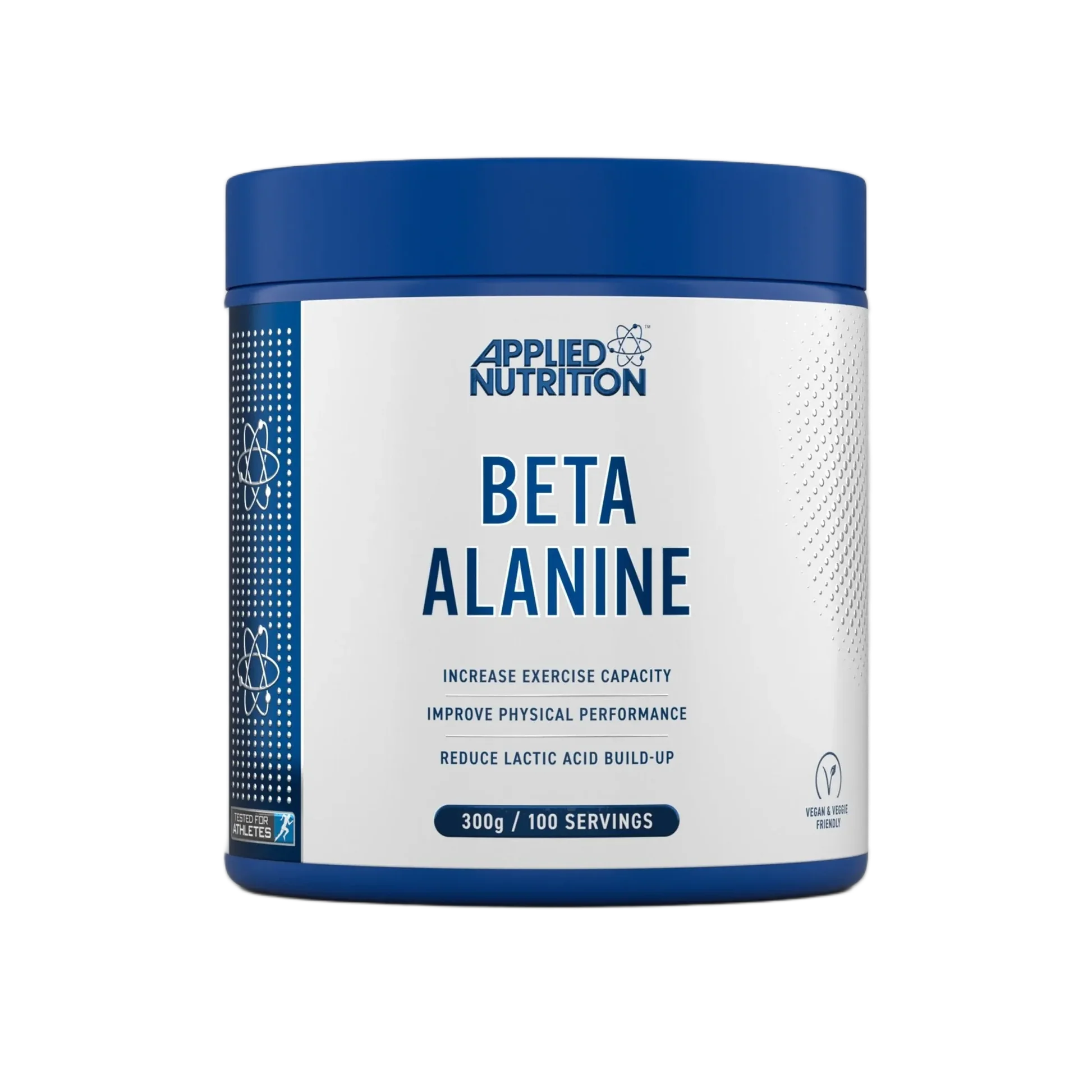
Applied Nutrition Beta-Alanine – 300g can naturally complement challenging training sessions involving slower tempos and higher training volumes by supporting performance during demanding resistance exercise.
Tempo training shouldn't replace heavy lifting forever, but it provides an excellent way to continue progressing when adding weight isn't practical.

5. Can Unilateral Exercises Build More Strength?
Yes.
Training one limb at a time often reveals weaknesses that bilateral exercises can hide.
Examples include:
- Bulgarian split squats
- single-arm rows
- single-leg Romanian deadlifts
- single-arm shoulder press
- walking lunges
These exercises improve:
- balance
- coordination
- joint stability
- muscle activation
- core strength
They also prevent your stronger side from compensating for your weaker side.
Over time, improving these imbalances can contribute to greater overall strength.
Many athletes include unilateral training throughout the year—not because it's easier, but because it develops qualities that traditional bilateral lifting sometimes misses.
Intermission
So far we've explored why getting stronger doesn't always require heavier weights, how progressive overload extends far beyond simply adding plates to the bar, why improving technique can unlock new strength gains, how slower repetitions increase training stimulus, and why unilateral exercises are an excellent way to develop balanced strength.
In Part 2, we'll look at how recovery influences strength gains, which supplements naturally support strength development, the common mistakes that prevent progress, who should avoid constantly chasing heavier lifts, and the best long-term strategy for continuing to get stronger.
Part 2
6. Does Recovery Affect Strength Gains?
Absolutely.
Strength isn't built during your workout.
It's built afterwards.
Resistance training creates a stimulus that challenges your muscles and nervous system.
Recovery is when your body repairs that damage and adapts, preparing you for the next session.
Without enough recovery, your body has less opportunity to:
- repair muscle tissue
- restore energy stores
- improve neuromuscular efficiency
- reduce fatigue
- perform at its best
This is why training harder isn't always the answer.
Sometimes, training smarter means taking an extra rest day or reducing your training volume for a short period.
Sleep also plays a major role.
Consistently getting seven to nine hours of quality sleep each night supports both muscle recovery and long-term strength development.
To help maximise recovery after training, Per4m Advanced Whey Protein – 2.01kg provides a high-quality source of protein that can help support muscle repair and make it easier to meet your daily protein requirements.
Recovery isn't time away from progress.
Recovery is part of progress.

7. Which Supplements Support Strength?
No supplement can replace structured training, progressive overload or good nutrition.
However, some can complement a well-designed strength programme.
The foundations should always be:
- consistent resistance training
- sufficient daily protein
- adequate calorie intake
- quality sleep
- proper recovery
For those looking to support demanding strength sessions, Naughty Boy Menace V2 – 420g can naturally help improve focus and energy before training, making it easier to give maximum effort to your most important lifts.


Think of supplements as supporting the work you're already doing—not replacing it.
The biggest improvements will always come from consistency in your training programme.
8. What Mistakes Stop You Getting Stronger?
Many lifters stall because they focus on one variable while ignoring everything else.
Common mistakes include:
- sacrificing technique to lift heavier
- skipping warm-ups
- changing programmes too frequently
- training to failure on every set
- neglecting recovery
- failing to track progress
Another mistake is believing every workout must result in a heavier lift.
Strength rarely improves in a perfectly straight line.
Some weeks you'll add weight.
Other weeks you'll improve technique, complete an extra repetition or move the same weight with greater confidence.
Those are all forms of progress.
The goal isn't to impress the people around you.
It's to become stronger over months and years.
9. Who Should Avoid Constantly Lifting Heavier?
Almost everyone can benefit from periods where the focus shifts away from simply adding more weight.
This is particularly true for:
- beginners learning technique
- older lifters
- people returning from injury
- anyone managing joint discomfort
- athletes during high training volumes
For these individuals, improving movement quality, stability and control often produces better long-term results than chasing heavier numbers every session.
Supporting your joints becomes increasingly important as training volume and experience increase.
Applied Nutrition Joint Support can naturally complement a balanced training programme by supporting joint health alongside sensible exercise selection, good recovery and progressive overload.


Strength isn't just about lifting the heaviest weight possible today.
It's about staying healthy enough to continue improving tomorrow.

10. What's the Best Way to Keep Getting Stronger?
The most effective long-term approach is to use a variety of progression methods rather than relying solely on heavier weights.
Continue challenging yourself by:
- improving technique
- adding repetitions
- increasing sets
- slowing tempo
- introducing paused reps
- increasing range of motion
- reducing unnecessary momentum
- refining exercise execution
Eventually, adding weight should still remain part of your progression—but it doesn't need to happen every week.
The strongest lifters aren't always the ones who increase the load the fastest.
They're often the ones who train with patience, consistency and excellent technique.
Building strength is a long-term process.
Master the fundamentals, recover properly and continue finding small ways to improve.
Those small improvements eventually become very big ones.
Conclusion
Getting stronger doesn't always require lifting heavier weights.
While increasing the load remains one of the most effective ways to build strength, it's only one piece of the puzzle.
Improving your technique, increasing time under tension, using unilateral exercises and prioritising recovery can all help you continue progressing—even when the weight on the bar stays the same.
By focusing on movement quality rather than simply chasing bigger numbers, you'll often develop more sustainable strength while reducing the risk of unnecessary setbacks.
Long-term strength comes from intelligent progression, not constant overload.
FAQ
1. Can you get stronger without lifting heavier weights?
Yes. You can increase strength by improving technique, adding repetitions, slowing tempo, increasing range of motion and using other forms of progressive overload.
2. What is progressive overload besides adding weight?
Progressive overload also includes performing more repetitions, completing additional sets, improving exercise quality, reducing rest periods and increasing time under tension.
3. Do slower reps build strength?
They can. Slower repetitions improve control, muscle activation and time under tension, making them a valuable training method.
4. Can better technique make you stronger?
Absolutely. Better technique improves movement efficiency, muscle recruitment and stability, helping you produce more force safely.
5. Are unilateral exercises good for strength?
Yes. Single-arm and single-leg exercises improve balance, coordination and address muscular imbalances that may limit overall strength.
6. Does recovery affect strength gains?
Very much so. Strength adaptations occur during recovery, making sleep, nutrition and rest essential parts of any training programme.
7. Who shouldn't constantly lift heavier weights?
Beginners, older adults, those recovering from injury and anyone experiencing joint discomfort often benefit from focusing on technique and movement quality rather than continually increasing load.
8. What's the best way to keep getting stronger?
Use multiple progression methods, maintain excellent technique, recover well and increase the training challenge gradually over time.


