


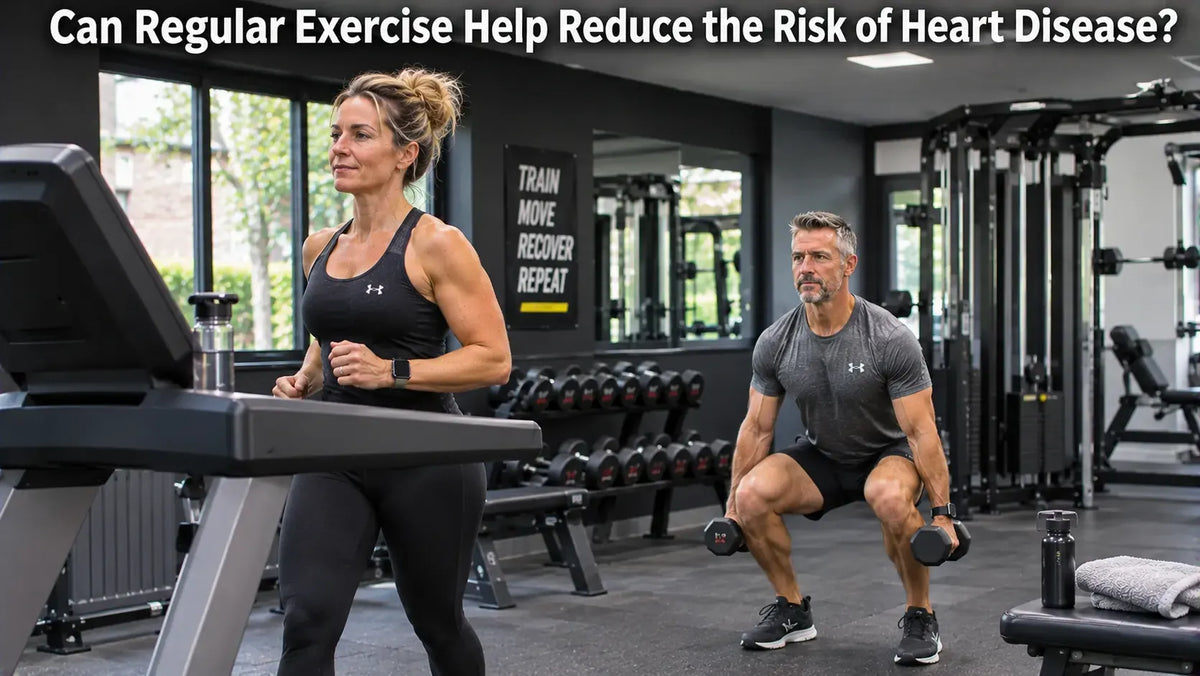
We tend to think about heart health when something goes wrong. A worrying blood pressure reading, an unexpected medical appointment or a family member's diagnosis can suddenly make cardiovascular disease feel much closer to home.
Yet one of the most effective ways to support your heart is remarkably ordinary: moving your body regularly.
Walking to work, cycling at the weekend, swimming a few lengths or lifting weights at the gym may seem like entirely different activities. But each can contribute to a healthier cardiovascular system.
Regular exercise can significantly reduce the risk of heart disease by improving cardiovascular fitness and influencing important risk factors, including blood pressure, cholesterol and metabolic health. It cannot guarantee prevention, and it does not remove the influence of genetics, smoking or existing medical conditions.
So how does physical activity protect your heart? Is cardio more useful than strength training? And can you improve your cardiovascular health without losing weight?
Here's what the evidence tells us – and how to turn it into a realistic routine.
1. Can Regular Exercise Help Reduce the Risk of Heart Disease?
Yes. Regular physical activity is strongly associated with a lower risk of cardiovascular disease, including coronary heart disease.
Coronary heart disease develops when the arteries supplying the heart muscle become narrowed by fatty deposits, known as atherosclerotic plaques. This can restrict blood flow and increase the risk of a heart attack.
Physical activity helps address several factors involved in cardiovascular disease. It can lower blood pressure, improve fitness, support healthier blood lipid levels and help the body regulate blood glucose.
Large observational studies consistently find that physically active people generally experience lower rates of cardiovascular disease than inactive people. Exercise interventions also demonstrate improvements in several established risk factors.
However, an association does not mean every heart attack can be prevented by exercising. Age, inherited risk, smoking, diabetes and other medical conditions remain important.
The good news is that the benefits are not reserved for athletes.
Someone moving from a largely sedentary lifestyle to regular brisk walking may gain meaningful health benefits without running marathons or following an intensive gym programme.
And although more activity can provide additional benefits, the relationship is not simply a competition to exercise as much as possible.
Consistency, appropriate intensity and a sustainable routine matter far more than occasional heroic workouts.

2. How Does Exercise Improve Cardiovascular Health?
Your cardiovascular system consists of the heart, blood vessels and circulating blood. Its job is to deliver oxygen and nutrients to tissues while helping remove metabolic waste products.
During exercise, working muscles require more oxygen. Your heart responds by beating faster and pumping more blood, while blood vessels adjust to direct circulation towards active tissues.
Repeated exercise creates adaptations that make this system more efficient.
Regular aerobic training can improve the body's ability to deliver and use oxygen. It also supports the function of the endothelium – the thin layer of cells lining blood vessels – which helps regulate vascular tone.
Several benefits contribute to cardiovascular health:
- Improved aerobic fitness: The heart, circulation and muscles become better equipped for sustained activity.
- Healthier blood pressure: Regular exercise can reduce resting blood pressure, particularly in people with elevated readings.
- Better glucose regulation: Active muscles improve how the body handles blood sugar and responds to insulin.
- Improved blood vessel function: Physical activity supports the mechanisms that help arteries dilate and regulate blood flow.
- Weight and metabolic health: Exercise can support body composition and other risk factors, although benefits also occur without weight loss.
These changes work together. Cardiovascular health is not determined by one number, one workout or one supplement.
HOW REGULAR EXERCISE SUPPORTS YOUR HEART
Walking • Cycling • Swimming • Resistance training
↓
Improved fitness, vascular function and risk-factor control
↓
Simplified overview. Individual risk depends on many factors, and exercise does not guarantee prevention.
Perhaps the most useful lesson is that the heart benefits from repeated, manageable demands rather than constant maximal effort.
3. What Happens to Your Heart When You Exercise Regularly?
When you begin exercising, your heart rate rises to help deliver more oxygen-rich blood to your muscles.
With consistent aerobic training, the cardiovascular system adapts to these repeated demands.
One important adaptation is improved stroke volume – the amount of blood the heart pumps with each beat. As cardiovascular fitness develops, the heart may be able to circulate the required amount of blood with fewer beats during rest or a familiar level of exercise.
This helps explain why some well-trained people have relatively low resting heart rates.
However, a low heart rate is not automatically evidence of good health, and an unusually slow pulse accompanied by dizziness, fainting or other symptoms needs medical assessment.
Regular exercise can also improve the ability of muscles to extract and use oxygen, meaning everyday tasks may require less relative effort.
Climbing stairs, carrying shopping or walking uphill may begin to feel easier.
In people who train consistently, the heart may undergo structural adaptations. These changes vary with the type and amount of training and should not be confused with every form of heart enlargement.
Crucially, the aim is not to force your heart to beat as slowly as possible. It is to improve the capacity of your cardiovascular system to meet everyday and exercise demands.
Fitness develops gradually, and changes in performance are often more useful than obsessively checking your pulse after every session.
4. Is Cardio or Strength Training Better for Heart Health?
Aerobic exercise has particularly strong evidence for improving cardiovascular fitness and supporting heart health.
Activities such as brisk walking, cycling, jogging and swimming place sustained demands on the heart and circulation.
Resistance training offers complementary benefits.
Strengthening muscles can improve physical function, support glucose regulation and contribute to healthier blood pressure. It also helps preserve muscle mass as people age.
However, lifting weights does not automatically produce the same aerobic adaptations as sustained cardiovascular exercise.
The most practical solution is to combine both approaches.
| Exercise approach | Primary benefits | Examples |
|---|---|---|
| Aerobic exercise | Improves cardiovascular fitness and supports blood pressure control | Brisk walking, cycling, swimming |
| Strength training | Develops strength and supports metabolic and physical health | Squats, rows, resistance machines |
| Combined routine | Develops cardiovascular fitness alongside muscular strength | Regular walking plus two full-body strength sessions |
If you're beginning from a low fitness level, start with manageable activity rather than attempting to train intensely every day.
For people with established cardiovascular disease, exercise intensity and resistance training may need to be adapted as part of a professionally guided plan.
Cardio and strength training are partners, not rivals.

5. Can Walking Every Day Reduce Your Risk of Heart Disease?
Walking is one of the most accessible ways to improve cardiovascular health.
It requires no gym membership, little equipment and can fit into ordinary routines. Walking to the shops, taking a lunchtime break or going out after dinner all create opportunities to be active.
Brisk walking raises your heart rate and breathing enough to contribute towards moderate-intensity physical activity.
Regular walking is associated with better cardiovascular health and a lower risk of cardiovascular disease, particularly when it replaces prolonged inactivity.
But the pace matters when counting towards moderate-intensity guidelines.
A gentle stroll can still be beneficial, especially for someone who is currently inactive. A brisker pace generally provides a stronger aerobic stimulus.
The familiar talk test is useful: during moderate activity, you should usually be able to talk but not sing comfortably.
Walking also provides an opportunity to break up long periods of sitting, which is valuable for people who spend much of the day at a desk.
Rather than treating daily step counts as a rigid pass-or-fail test, focus on gradually increasing the amount of movement you can sustain.
A regular walking habit can make a meaningful contribution to heart health without requiring a complicated training plan.
6. How Does Exercise Affect Blood Pressure and Cholesterol?
High blood pressure and unhealthy cholesterol levels are major risk factors for cardiovascular disease.
Regular exercise can help improve both, although the effects differ between individuals.
Blood pressure
During exercise, systolic blood pressure normally rises as the heart pumps more blood to working muscles. This temporary response is different from resting blood pressure.
Over time, regular aerobic exercise can lower resting blood pressure, particularly in people with hypertension. Appropriate resistance training can also contribute.
Exercise should not be viewed as an automatic replacement for prescribed blood pressure medication.
Cholesterol
Physical activity can improve aspects of the blood lipid profile, including triglycerides and, in some people, HDL cholesterol. Changes in LDL cholesterol may be smaller or more variable.
Diet, genetics, medication and other factors also influence cholesterol levels.
Heart-healthy nutrition therefore matters alongside exercise.
Oily fish, for example, provides the long-chain omega-3 fatty acids EPA and DHA, which contribute to normal heart function. Dietary sources such as salmon, sardines and mackerel are useful components of a balanced eating pattern.
For adults who choose to supplement their omega-3 intake, Reflex Nutrition Omega 3 provides EPA and DHA in a fish-oil capsule.

EPA and DHA contribute to normal heart function at a daily intake of 250mg combined. However, this should not be interpreted as proof that an ordinary fish-oil supplement prevents heart attacks, lowers LDL cholesterol or replaces prescribed treatment.
High-dose omega-3 products used for specific medical indications are different from everyday food supplements and require appropriate clinical oversight. People taking anticoagulants or managing relevant medical conditions should discuss supplementation with a healthcare professional.
For blood pressure and cholesterol, exercise is part of a broader prevention strategy – not a substitute for medical care when it is needed.

7. How Much Weekly Exercise Is Recommended for Heart Health?
UK physical activity guidelines recommend that adults aim for at least 150 minutes of moderate-intensity aerobic activity per week, or 75 minutes of vigorous activity, or an equivalent combination.
Adults should also perform muscle-strengthening activities on at least two days each week.
These recommendations are useful targets, but they are not a minimum threshold below which exercise becomes pointless.
People who are currently inactive can benefit from starting with smaller amounts of movement and gradually increasing activity.
For example, five 30-minute brisk walks across the week provide 150 minutes of moderate aerobic exercise.
Two manageable strength sessions can then be added to support muscle function and physical independence.
WEEKLY EXERCISE TARGETS FOR ADULTS
Moderate aerobic activity per week, or an equivalent combination
Vigorous aerobic activity per week
Based on UK Chief Medical Officers' adult physical activity guidelines. Increase activity gradually and adapt to individual circumstances.
It's also sensible to reduce prolonged sedentary time. Standing up, walking during breaks and incorporating everyday movement can help make an active lifestyle more achievable.
For people with existing heart conditions, exercise targets may need individual adjustment. Cardiac rehabilitation programmes can provide supervised support following certain cardiovascular events or procedures.
The best target is one that challenges you appropriately without discouraging you from continuing.
8. Can Exercise Reduce Heart Disease Risk Without Weight Loss?
Yes. Exercise can improve cardiovascular fitness, blood pressure and metabolic health even when body weight remains stable.
That is important because the scales are often treated as the main measure of whether an exercise programme is working.
Someone may become fitter, develop stronger muscles and improve blood pressure without experiencing substantial weight loss.
Those changes still matter.
Cardiorespiratory fitness is an important indicator of cardiovascular health. Regular activity can also improve blood vessel function and glucose regulation independently of major changes in body weight.
For people carrying excess body fat, weight management may provide additional benefits, particularly when it helps improve blood pressure, blood glucose or other risk factors.
But weight loss is not a prerequisite for every cardiovascular benefit of exercise.
There is also a psychological advantage to recognising progress beyond body weight.
Walking further without becoming breathless, climbing stairs more comfortably or completing a regular exercise routine can provide meaningful signs of improvement.
These achievements may encourage people to remain active long after the initial motivation to change their appearance has faded.
Your heart does not need the bathroom scales to confirm that regular movement is worthwhile.
9. Can Too Much Exercise Be Harmful to Your Heart?
For most healthy adults, regular exercise provides far more benefits than risks.
However, that does not mean every intensity or training volume is appropriate for every person.
Suddenly attempting vigorous exercise after a long period of inactivity can increase the risk of injury and, in susceptible individuals, acute cardiovascular events.
People with undiagnosed heart conditions may also face risks during demanding exercise.
At the extreme end of endurance sport, research has raised questions about certain cardiac changes and rhythm disturbances associated with very high lifelong training volumes in some athletes. These findings should not be used to suggest that ordinary recreational exercise is dangerous.
For most people, the more immediate concerns are excessive training load, inadequate recovery, heat stress and ignoring warning symptoms.
Chest pain, unexplained fainting, severe or unusual breathlessness and concerning palpitations during exercise should not be dismissed as normal signs of working hard. Stop exercising and seek appropriate medical assessment; severe or persistent chest pain warrants emergency help.
Hydration also matters during longer sessions, heavy sweating and hot weather.
For ordinary workouts, water is usually sufficient. During prolonged activity with substantial sweat loss, replacing fluids and electrolytes may be useful depending on the circumstances.
Applied Nutrition Hydration+ provides electrolytes in a powdered drink format for adults who choose to use a hydration supplement during demanding exercise.


It is not a heart-protection supplement. Electrolyte products may be unsuitable for people with heart failure, kidney disease or prescribed sodium, potassium or fluid restrictions. These individuals should follow medical advice rather than adding electrolyte drinks automatically.
Exercise should challenge your cardiovascular system progressively, not push you to ignore symptoms or medical limitations.

10. How Can You Build a Heart-Healthy Exercise Routine?
A heart-healthy exercise routine doesn't need to be complicated.
The most practical approach combines regular aerobic activity, manageable strength training and opportunities to move throughout the day.
For someone beginning from a low activity level, brisk walking can provide a useful foundation.
As fitness improves, cycling, swimming or other enjoyable aerobic activities can add variety.
Resistance training should work the major muscle groups using appropriate exercises and loads. This might include squats, rows, presses, step-ups and controlled resistance-machine movements.
Muscle recovery and adequate nutrition support the adaptations produced by resistance training.
Protein contributes to the growth and maintenance of muscle mass, and most people can obtain sufficient protein from a balanced diet containing foods such as dairy, eggs, fish, meat, beans and soya.
For people who find it difficult to meet their protein needs through meals, Per4m Advanced Whey Protein provides a convenient source of dietary protein alongside their strength-training routine.
Its role is supporting muscle maintenance and growth, not directly preventing heart disease. A protein shake cannot replace aerobic exercise, appropriate nutrition or cardiovascular medical care.
For a generally healthy adult, the following routine illustrates how aerobic and resistance exercise can fit together.
| Day | Example activity | Main focus |
|---|---|---|
| Monday | 30-minute brisk walk and full-body strength session | Aerobic fitness and strength |
| Tuesday | 30-minute brisk walk or steady cycle | Cardiovascular endurance |
| Wednesday | 30-minute brisk walk | Aerobic consistency |
| Thursday | 30-minute brisk walk and full-body strength session | Strength and cardiovascular health |
| Friday | 30-minute brisk walk | Aerobic activity |
| Weekend | Enjoyable movement, recovery or gentle activity | Sustainable activity |
This example provides 150 minutes of moderate aerobic activity across five days, plus two strength sessions.
It is a general example, not a personalised prescription for someone with cardiovascular disease.
To make the routine sustainable:
- Start gradually: Build from your current activity level rather than immediately attempting the full weekly target.
- Choose enjoyable activities: Walking, swimming, cycling and dancing can all contribute.
- Include strength work: Train the major muscle groups at least twice weekly.
- Break up sitting: Add short movement breaks during sedentary days.
- Allow recovery: Increase intensity and duration progressively.
- Address other risk factors: Avoid smoking, follow a balanced diet and seek appropriate blood pressure and cholesterol checks.
If you have diagnosed heart disease, a history of cardiac symptoms or significant medical concerns, discuss the right exercise programme with your healthcare team. Cardiac rehabilitation may be particularly useful following a heart attack or certain heart procedures.
The best heart-healthy routine is not the hardest one. It is the one you can perform safely and continue for years.
Conclusion
Can regular exercise help reduce the risk of heart disease? Absolutely – and the benefits extend well beyond improving fitness.
Physical activity supports blood pressure regulation, vascular function, glucose metabolism and cardiovascular endurance. Resistance training adds important benefits for muscular strength and physical health.
Walking is an accessible starting point, and combining aerobic activity with strength training offers a practical long-term approach.
Crucially, many cardiovascular benefits can occur even when body weight remains unchanged.
But exercise is not a guarantee against heart disease. Genetics, smoking, diet, cholesterol, blood pressure and existing health conditions still matter.
For people with increased cardiovascular risk, appropriate medical advice and risk-factor management should sit alongside physical activity.
Move regularly, build strength, progress sensibly and make consistency the foundation of your heart-health routine.
Frequently Asked Questions
1. Can regular exercise reduce the risk of heart disease?
Yes. Regular physical activity is associated with a lower risk of cardiovascular disease and can improve several established risk factors, including blood pressure and fitness.
2. How does exercise improve cardiovascular health?
Exercise improves the body's ability to deliver and use oxygen, supports blood vessel function and can improve blood pressure and metabolic health.
3. What type of exercise is best for heart health?
Aerobic exercise is particularly effective for improving cardiovascular fitness. Combining it with resistance training provides complementary benefits.
4. How much exercise do you need to reduce heart disease risk?
UK guidance recommends at least 150 minutes of moderate aerobic activity per week, or 75 minutes of vigorous activity, alongside muscle-strengthening exercise on two days.
5. Can strength training help prevent heart disease?
Resistance training supports muscular strength, blood pressure and metabolic health. It contributes to a heart-healthy lifestyle but does not guarantee prevention.
6. Does walking every day improve heart health?
Yes. Regular walking, particularly at a brisk pace, can improve cardiovascular fitness and help reduce long-term cardiovascular risk.
7. Can exercise lower blood pressure?
Regular exercise can reduce resting blood pressure, particularly in people with elevated readings. It should not replace prescribed treatment without medical advice.
8. Does exercise improve cholesterol levels?
Physical activity can improve triglycerides and sometimes HDL cholesterol. Changes in LDL cholesterol vary, and diet or medication may still be needed.
9. Can exercise improve heart health without losing weight?
Yes. Improvements in fitness, blood pressure and metabolic health can occur without substantial weight loss.
10. Can too much exercise damage your heart?
Very intense exercise can carry risks in susceptible individuals, especially when medical conditions are present or activity increases suddenly. For most healthy adults, regular appropriately paced exercise is beneficial.


