

Creatine is one of the most researched, effective, and affordable performance supplements ever produced — yet the price range between products can vary wildly. Walk into any supplement shop or browse online and you’ll see everything from budget creatine powders to premium blends, capsules, and “advanced” formulas promising superior absorption, purity, and results.
This naturally raises a question many lifters ask:
Are you paying for better performance — or just better packaging?
To answer that, we need to understand what creatine actually does, what affects its quality, and whether premium options truly deliver more muscle, strength, or recovery benefits than standard monohydrate.
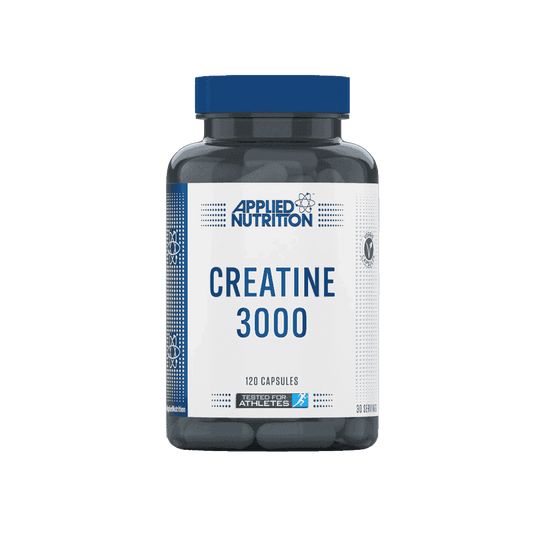
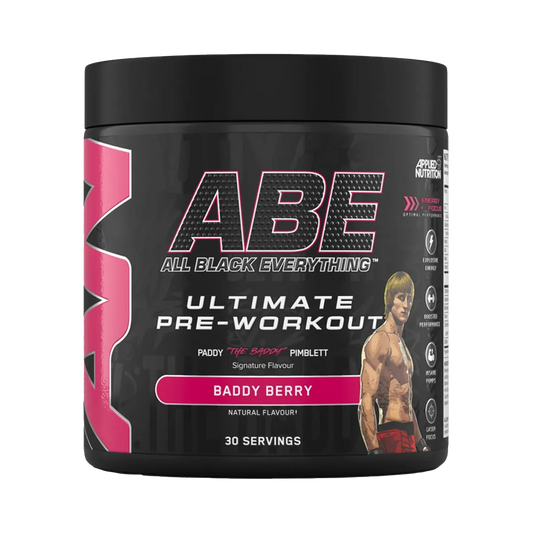
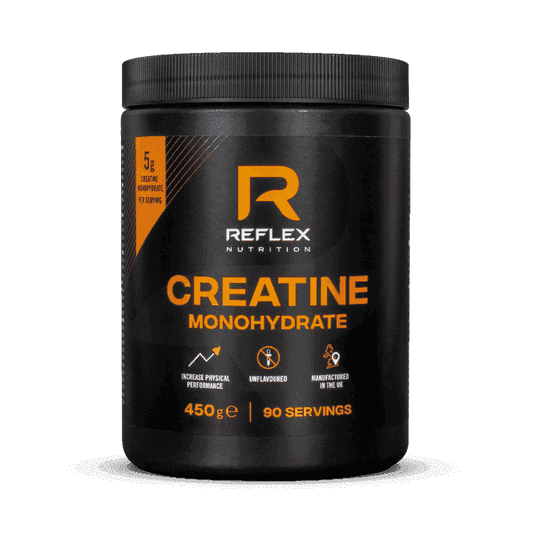
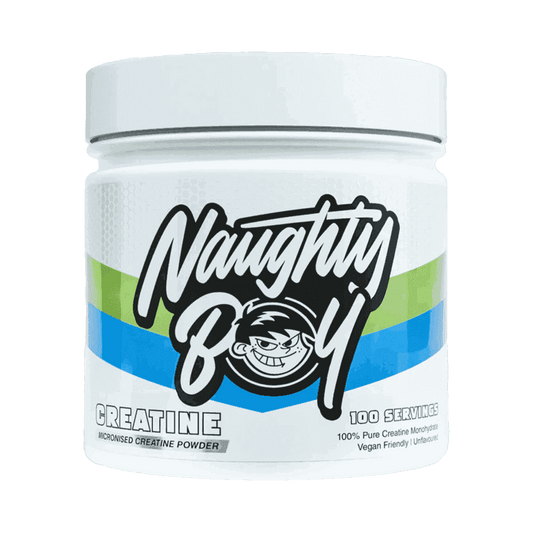
Products like Reflex Nutrition Creatine Monohydrate represent the classic, research-backed option. Premium-branded options such as Naughty Boy Prime Creatine promise quality and micronisation. Capsules like Applied Nutrition Creatine 3000 offer convenience. Meanwhile, blends such as ABE Ultimate Pre-Workout and mass formulas like USN Muscle Fuel Anabolic include creatine alongside other ingredients — but often in amounts that deserve closer inspection.
Let’s break down what you’re actually paying for.
1. Why Is Some Creatine More Expensive Than Others?
At first glance, creatine looks simple: a white powder, usually labelled “creatine monohydrate.” Yet prices can vary significantly depending on branding, formulation, and presentation.
Key factors influencing price include:
Manufacturing & purity standards
High-quality creatine is produced using tightly controlled processes that remove contaminants such as creatinine, dicyandiamide, and heavy metals. Reputable manufacturers invest in purity testing and quality assurance, which can increase cost.
Micronisation & solubility
Micronised creatine, such as Naughty Boy Prime Creatine, has smaller particle sizes designed to mix more easily and reduce gritty texture. While this improves usability, it doesn’t necessarily enhance muscle uptake.
Branding & positioning
Marketing plays a major role. Premium packaging, influencer promotion, and positioning within lifestyle brands can elevate price without changing effectiveness.
Delivery format
Capsule formats like Applied Nutrition Creatine 3000 are more expensive per gram because of encapsulation costs and convenience. You pay for ease of use rather than superior results.
Inclusion in blends
Products such as ABE Ultimate Pre-Workout and USN Muscle Fuel Anabolic include creatine alongside stimulants, carbohydrates, amino acids, or proteins. The creatine itself is inexpensive, but the combined formula raises the product’s overall price.
Important truth:
Creatine monohydrate is one of the cheapest performance ingredients available. Large price differences rarely reflect large performance differences.

2. Does the Brand of Creatine Really Matter?
Short answer: less than most people think.
Creatine monohydrate works because of its molecular structure — not because of the logo on the tub.
Once ingested, creatine is absorbed, transported to muscle cells, and stored as phosphocreatine, where it helps regenerate ATP, your body’s primary energy molecule for explosive effort.
If two products contain pure creatine monohydrate, they will produce the same physiological effect.
That said, brand reputation can still matter in areas such as:
-
manufacturing standards
-
third-party testing
-
product consistency
-
transparency and dosing accuracy
Trusted brands like Reflex Nutrition have built credibility through quality control and reliable formulations. Premium lifestyle brands may prioritise user experience and branding. Capsule options like Applied Nutrition appeal to convenience-focused users.
But none of these factors change how creatine functions inside muscle tissue.
Creatine works because of chemistry — not marketing.
3. Is Cheap Creatine as Effective as Premium Creatine?
This is the core question.
From a physiological standpoint:
👉 3–5 grams of creatine monohydrate is effective.
👉 Muscle saturation is what matters.
👉 Price does not change muscle uptake.
Studies consistently show that standard creatine monohydrate performs as effectively as more expensive forms, including buffered creatine, creatine ethyl ester, and liquid creatine products.
Premium-priced options sometimes promote:
-
superior absorption
-
reduced bloating
-
enhanced strength gains
-
better muscle retention
However, controlled research has not shown meaningful advantages over monohydrate.
Where higher-end options may improve experience:
✔ smoother mixing
✔ improved taste in flavoured formulas
✔ brand trust & quality assurance
✔ convenience (capsules or blends)
But muscle growth and strength outcomes remain the same.
If you consume sufficient creatine daily, muscle saturation occurs regardless of price point.

4. Does Expensive Creatine Improve Strength or Muscle Growth Results?
Creatine improves performance through three primary mechanisms:
1️⃣ Increased phosphocreatine stores
2️⃣ Enhanced ATP regeneration for explosive effort
3️⃣ Improved training volume and intensity
These adaptations support:
-
strength increases
-
improved power output
-
increased lean mass over time
But here’s the key:
Creatine enables better training — it doesn’t build muscle by itself.
Higher-priced creatine does not enhance these mechanisms.
What does enhance results:
✔ consistent training intensity
✔ progressive overload
✔ adequate protein intake
✔ sufficient recovery
Mass blends like USN Muscle Fuel Anabolic include creatine alongside carbohydrates and protein, which can support total calorie intake and recovery. However, the creatine component itself is not more effective than standalone monohydrate.
Similarly, pre-workouts like ABE Ultimate Pre-Workout may enhance performance through caffeine and focus-enhancing ingredients, but their creatine content alone is not responsible for improved strength output.
Performance improvements come from the training environment creatine supports — not from paying more for the ingredient.

5. Is There a Real Difference in Creatine Quality and Purity?
While effectiveness is consistent, quality control does matter.
High-quality creatine should be:
✔ ≥99.9% pure creatine monohydrate
✔ free from contaminants
✔ tested for heavy metals
✔ produced in regulated facilities
Low-quality creatine from unknown sources may contain impurities due to poor manufacturing standards.
This is where reputable brands provide reassurance.
Reflex Nutrition and Applied Nutrition, for example, maintain strict production standards and transparent sourcing. Premium-branded options like Naughty Boy often prioritise refined texture and mixability alongside quality assurance.
However, once purity standards are met, additional cost does not equate to additional muscle growth.
Part 1 Summary
Expensive creatine often reflects branding, format, or convenience — not superior performance outcomes.
Standard creatine monohydrate remains one of the most effective, research-backed, and affordable supplements available.
In Part 2, we’ll break down:
-
how to identify high-quality creatine
-
monohydrate vs blends and capsules
-
what a good creatine price looks like in the UK
-
whether premium creatine offers real advantages
-
when spending more actually makes sense
Because understanding value — not just price — is what helps you make smarter decisions.
Part 2
6. How Can You Tell if Creatine Is High Quality?
Creatine is one of the simplest supplements on the shelf — but that doesn’t mean all products are manufactured equally.
High-quality creatine should meet several key standards:
✔ Purity & testing
Look for products manufactured under strict quality controls with batch testing for contaminants such as heavy metals and residual by-products from synthesis.
✔ Clear ingredient listing
The label should state creatine monohydrate clearly, without proprietary blends or hidden dosages.
✔ Fine powder texture
Micronised options like Naughty Boy Prime Creatine dissolve more easily, reducing grit and improving usability. This doesn’t enhance muscle uptake but improves day-to-day use.
✔ Trusted manufacturing standards
Established brands such as Reflex Nutrition and Applied Nutrition maintain quality assurance processes that ensure consistency and safety.
A quality product should be pure, transparent, and consistent — not overloaded with marketing claims.

7. What Is the Difference Between Creatine Monohydrate and Premium Blends?
Creatine monohydrate is the form used in nearly all scientific research. It is:
✔ stable
✔ highly bioavailable
✔ proven effective
✔ affordable
Premium blends often combine creatine with other ingredients such as:
-
carbohydrates
-
beta-alanine
-
caffeine
-
amino acids
-
electrolytes
For example:
-
ABE Ultimate Pre-Workout includes creatine alongside stimulants and performance enhancers to improve workout intensity and focus.
-
USN Muscle Fuel Anabolic combines creatine with protein and carbohydrates to support calorie intake and recovery.
These products may enhance training performance or recovery, but their creatine component is not superior to standalone monohydrate.
You are paying for the full formula — not a better form of creatine.
8. Is Micronised Creatine Better Than Standard Creatine Monohydrate?
Micronised creatine simply has smaller particles, which can:
✔ improve mixability
✔ reduce sediment at the bottom of the shaker
✔ minimise gritty texture
It does not increase absorption or improve muscle uptake.
Creatine absorption occurs in the small intestine and is not dependent on particle size.
However, for daily usability and smoother mixing, micronised options can be a worthwhile quality-of-life improvement.
9. How Much Should a Good Creatine Supplement Cost in the UK?
Creatine remains one of the best-value supplements available.
Typical UK pricing:
-
Budget creatine powder: ~£20–£30 per kg
-
Premium micronised creatine: ~£30–£45 per kg
-
Capsule formats: significantly higher per gram due to convenience
-
Blended formulas: price reflects additional ingredients
For example:
-
Reflex Nutrition Creatine Monohydrate 450g offers a straightforward, cost-effective option.
-
Naughty Boy Prime Creatine 450g (£18.99) sits in the premium micronised category while remaining competitively priced.
-
Applied Nutrition Creatine 3000 capsules cost more per gram but offer convenience and portability.
If a creatine product is dramatically more expensive without offering additional ingredients or testing transparency, you’re likely paying for branding rather than performance.

10. Is Expensive Creatine Worth It for Performance and Recovery?
For muscle strength, power output, and training performance:
No form of creatine outperforms standard monohydrate.
Creatine works by saturating muscle stores — not by being premium priced.
However, higher-priced options can still offer value depending on priorities:
You may prefer premium creatine if you want:
✔ smoother mixing
✔ trusted quality assurance
✔ refined texture
✔ brand trust
✔ capsule convenience
Standard creatine is ideal if you want:
✔ maximum value for money
✔ proven effectiveness
✔ simple daily supplementation
Blended products such as ABE Ultimate Pre-Workout and USN Muscle Fuel Anabolic may enhance workout intensity or recovery through additional ingredients, but their creatine content is not inherently superior.
Ultimately, creatine enhances performance by enabling harder training, better recovery between efforts, and improved strength output over time — regardless of price.
Conclusion
Expensive creatine doesn’t build more muscle, increase strength faster, or improve recovery beyond what standard creatine monohydrate already delivers.
The science is clear:
✔ creatine monohydrate is the gold standard
✔ muscle saturation determines effectiveness
✔ price does not equal performance
What matters most is:
-
consistent daily intake
-
progressive resistance training
-
sufficient protein and calories
-
quality sleep and recovery
Premium options may improve convenience and user experience, but the physiological benefits remain the same.
In a supplement industry full of hype, creatine stands out for its simplicity and proven effectiveness.
And sometimes, the most powerful performance tool is also the most straightforward.
FAQ
Is expensive creatine better than cheap creatine?
No. As long as it is pure creatine monohydrate, effectiveness is the same regardless of price.
Does creatine purity matter?
Yes. High-quality creatine should be ≥99.9% pure and manufactured under strict quality standards.
Is micronised creatine better?
It mixes more easily but does not improve absorption or performance.
Do creatine capsules work as well as powder?
Yes, but they are more expensive per gram and require multiple capsules to reach effective doses.
Can creatine blends improve results?
Blends can support performance through additional ingredients, but the creatine itself is not more effective.
How much creatine should I take daily?
3–5 grams per day is sufficient to maintain muscle saturation.
Is expensive creatine worth it for beginners?
Not necessarily. Beginners will see the same benefits from standard creatine monohydrate.
Does creatine help recovery?
Yes. It supports ATP regeneration and reduces fatigue during repeated high-intensity efforts.