Protein powder is supposed to make your life easier.
Quick shakes. Easy protein. Faster recovery.
But for a lot of people, it does the opposite.
Bloating. Gas. Stomach discomfort. That heavy, sluggish feeling that makes you question whether it’s even worth it.
So what’s actually going on?
Is protein powder the problem—or are you just using the wrong type for your body?
Let’s break it down properly.
1. Is protein powder bad for the digestive system?
No—but it can be harder for some people to tolerate.
Protein itself isn’t the issue. Your body is designed to digest it.
The problem usually comes down to:
- The type of protein
- The ingredients added
- Your individual tolerance
For example, traditional whey options like Per4m Whey Hydrate work perfectly for many people. But because whey is derived from milk, even small amounts of lactose can cause problems if you’re sensitive.
That’s why some people feel completely fine… and others feel bloated after every shake.
It’s not that protein powder is “bad.”
It’s that the wrong type for you can cause digestive stress.
And that’s where alternatives come in.

2. What are signs of protein powder intolerance?
Most people ignore the signs at first.
They assume it’s normal to feel uncomfortable after a shake.
It’s not.
If your body isn’t tolerating your protein powder well, you’ll usually notice:
- Bloating within 30–90 minutes
- Excess gas
- Stomach cramps or pressure
- Feeling unusually heavy or sluggish
- Sudden digestive urgency
These symptoms are your body telling you something isn’t being processed properly.
And it’s often linked to dairy-based proteins.
If you’re using something like Per4m Whey Hydrate and consistently feel off afterwards, that’s a strong indicator your digestion isn’t handling it well.
This is where switching formats can make a big difference.
For example, Applied Nutrition Clear Whey is much lighter and often easier to tolerate because it doesn’t sit heavily in the stomach like traditional shakes.
The key is recognising the pattern—not ignoring it.
3. Why does protein powder cause bloating or gas?
Bloating isn’t random—it’s a result of how your body breaks down what you’ve consumed.
With protein powders, there are a few common triggers:
Lactose
Even small amounts can ferment in the gut if you’re sensitive, leading to gas and bloating.
Artificial sweeteners
Many flavoured proteins contain sweeteners that some people struggle to digest.
Thick, heavy shakes
Creamy shakes take longer to digest and can sit in the stomach, creating discomfort.
Poor gut health
If your digestion isn’t functioning well overall, even a good protein powder can cause issues.
This is why lighter options—like Applied Nutrition Clear Whey—tend to reduce bloating. They digest faster and don’t feel as heavy.
And if the issue isn’t just the protein, but your gut itself, something like Applied Nutrition Probiotic Advanced Multi-Strain can help improve digestion over time by supporting gut balance.
Because sometimes the problem isn’t the shake—it’s the system processing it.
4. Can whey protein upset your stomach?
Yes—and it’s one of the most common causes of protein-related digestive issues.
Whey is effective, fast-digesting, and widely used—but it’s also where most people run into problems.
The main reason?
Lactose sensitivity.
Even if you’re not fully lactose intolerant, your body may still struggle with smaller amounts—especially in liquid form.
This can lead to:
- Bloating
- Gas
- Stomach discomfort
- Digestive urgency
If this sounds familiar, the solution isn’t to force whey to work—it’s to adjust.
For example:
- Applied Nutrition Clear Whey → lighter, easier digestion
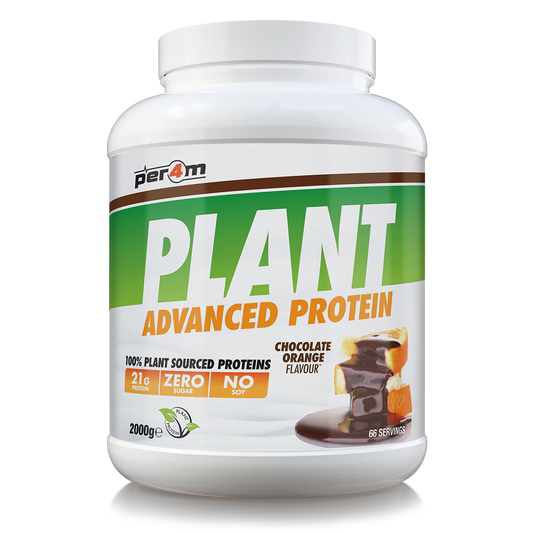
- Per4m Plant Protein → completely dairy-free
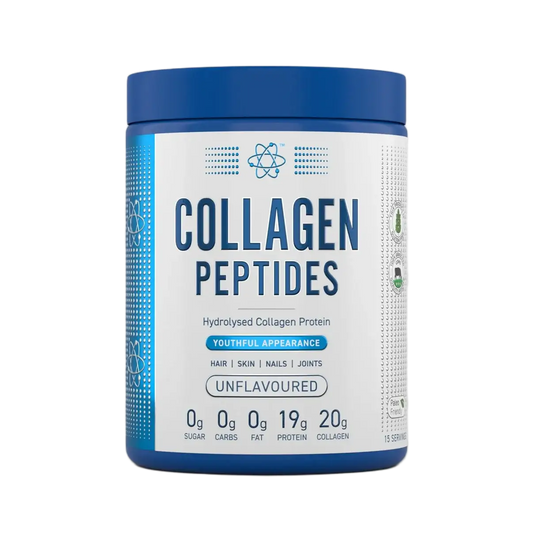
And for people who struggle with almost all protein powders, Applied Nutrition Collagen Peptides can be a much easier option because of how simple it is to digest.
The goal isn’t to stick with whey at all costs.
It’s to find what your body actually handles well.

5. Does protein powder worsen IBS symptoms?
It can—especially if you’re already sensitive.
IBS (Irritable Bowel Syndrome) makes your digestive system more reactive. Foods and supplements that are normally fine can trigger symptoms like:
- Bloating
- Cramping
- Gas
- Urgency
Whey protein is one of the more common triggers due to lactose.
But it’s not the only issue.
Artificial sweeteners and flavourings—found in many protein powders—can also aggravate symptoms.
This is why people with IBS often do better with:
- Simpler formulas
- Dairy-free options like Per4m Plant Protein
- Lighter options like Applied Nutrition Clear Whey
And in some cases, improving gut health itself—using something like Applied Nutrition Probiotic Advanced Multi-Strain—can help reduce overall sensitivity.
But the key point is this:
If your digestion is already sensitive, the type of protein you choose matters a lot more.
Intermission
So far, we’ve covered:
- Whether protein powder is actually bad for digestion
- The clear signs your body isn’t tolerating it
- Why bloating and gas happen
- How whey protein causes issues
- And how protein powders can affect sensitive digestion
In Part 2, we’ll go deeper into:
- Symptoms of too much protein
- Who should avoid protein powder altogether
- The best options for sensitive stomachs
- How to fix digestion issues without giving up protein
- And whether daily protein shakes are actually safe
Part 2
6. What are the symptoms of too much protein?
Too much protein doesn’t usually hit all at once—it builds up.
Most people assume more protein = more muscle. But once you’re past what your body actually needs, the benefits level off… and digestion often takes the hit.
Common signs you’re overdoing it:
- Constant bloating
- Digestive discomfort after meals or shakes
- Feeling overly full or sluggish
- Increased gas
- Reduced appetite for whole foods
This is especially common when a large portion of your intake is coming from shakes instead of food.
For example, stacking multiple servings of something like Per4m Whey Hydrate throughout the day might seem efficient—but it can overwhelm your digestion if you’re not spacing it out or balancing it with whole meals.
The issue isn’t protein itself—it’s volume and timing.
More isn’t always better. Enough is what matters.

7. Who should avoid protein powder?
Most people can use protein powder without any issues.
But there are situations where it’s not the best choice—or at least needs adjusting.
You may need to avoid or rethink protein powders if you:
- Struggle with dairy digestion
- Experience regular bloating or discomfort after shakes
- Have IBS or a sensitive gut
- Rely heavily on shakes instead of real food
In these cases, switching type is usually more effective than removing protein entirely.
For example:
- Per4m Plant Protein → removes dairy completely
- Applied Nutrition Clear Whey → lighter, easier to digest
- Applied Nutrition Collagen Peptides → very gentle on digestion
The goal isn’t to eliminate protein supplements—it’s to find a version your body tolerates.
8. What protein powder is best for sensitive stomachs?
If your digestion is sensitive, the type of protein you choose matters more than anything else.
Here’s how it breaks down:
Standard Whey
- Fast-digesting
- Effective for recovery
-
But can cause bloating if lactose-sensitive
→ Example: Per4m Whey Hydrate
Clear Whey
- Lighter, juice-like
- Easier on the stomach
-
Less heavy after consumption
→ Example: Applied Nutrition Clear Whey
Plant Protein
- Completely dairy-free
- Good alternative for lactose intolerance
-
Can be slightly thicker, but often better tolerated overall
→ Example: Per4m Plant Protein
Collagen
- Very easy to digest
-
Not a complete protein, but useful for lighter intake
→ Example: Applied Nutrition Collagen Peptides
There isn’t one “best” option—only the one that works best for you.
But for most people struggling with digestion, switching away from heavy whey is the first step.
9. How can you avoid digestive issues with protein shakes?
Most issues aren’t caused by protein itself—they’re caused by how it’s used.
A few simple adjustments can make a big difference:
1. Slow down
Drinking shakes too quickly can overwhelm digestion.
2. Adjust your serving size
You don’t need a massive scoop every time. Smaller servings are often easier to tolerate.
3. Change the type
If whey causes issues, switch to:
- Clear whey
- Plant protein
- Collagen
4. Mix with more water
Thicker shakes = slower digestion. More water = easier processing.
5. Support your gut
If digestion is consistently poor, improving gut health helps.
Something like Applied Nutrition Probiotic Advanced Multi-Strain can support better digestion over time by improving how your body processes nutrients.
The biggest mistake people make is forcing the same product to work.
If it’s causing problems, adjust.

10. Is it safe to drink protein shakes every day?
Yes—for most people.
Daily protein shakes are completely safe if your overall intake is balanced.
The problems only start when:
- You rely too heavily on shakes
- Your digestion isn’t handling them well
- Your total protein intake is excessive
Used properly, protein shakes are just a tool.
For example:
- 1–2 servings per day alongside whole food → ideal
- Multiple large shakes replacing meals → where issues begin
The key is balance.
Use shakes to support your diet—not replace it.
Conclusion
Protein powder doesn’t inherently cause digestive issues.
But the wrong type, the wrong amount, or poor digestion can make it feel like it does.
Most problems come down to:
- Lactose sensitivity
- Heavy, hard-to-digest formulas
- Overuse
- Poor gut health
The solution isn’t to avoid protein.
It’s to use it properly.
Switch the type if needed. Adjust your intake. Support your digestion.
Because when you get it right, protein powder becomes what it was meant to be:
Simple, effective, and easy to use.
FAQ
1. Can protein powder cause bloating?
Yes, especially if you’re sensitive to lactose or certain ingredients.
2. Why does whey protein upset my stomach?
Usually due to lactose or difficulty digesting dairy-based proteins.
3. Is plant protein easier to digest?
For many people, yes—especially if they’re lactose intolerant.
4. Can protein powder cause IBS symptoms?
It can trigger symptoms in sensitive individuals, particularly with whey.
5. How do I stop bloating from protein shakes?
Switch type, reduce serving size, and improve digestion support.
6. Is protein powder bad for gut health?
Not inherently, but poor tolerance can cause temporary digestive issues.
7. Can I drink protein shakes every day?
Yes, as long as your overall diet is balanced.
8. What protein is easiest to digest?
Clear whey, plant protein, and collagen are often better tolerated.
9. Should I stop protein powder if I feel bloated?
Not necessarily—try switching type first.
10. Do probiotics help with protein digestion?
They can improve overall gut health, which supports better digestion.