Hydration used to be simple: drink water, don’t pass out, repeat. Then electrolytes exploded onto shelves — powders, tablets, hydration mixes, performance blends — all promising better recovery, improved performance, and faster rehydration. Some cost less than a tenner, others creep toward premium supplement pricing.
So the obvious question is: are expensive electrolytes actually better, or are you paying for branding and flavouring?
The truth sits somewhere in the middle. Electrolytes can improve hydration, performance, and recovery — but only when they solve a real physiological need. Understanding when they matter, what ingredients actually do, and how premium formulas differ is what separates smart supplementation from wasted money.
This guide breaks it down clearly.
1. Are Expensive Electrolytes Actually Better Than Cheap Ones?
Not always — but sometimes.
Electrolytes work by replacing minerals lost through sweat and maintaining fluid balance inside and outside cells. If a product provides the key electrolytes in effective amounts, it can support hydration regardless of price.
The core electrolytes that matter are:
-
Sodium – regulates fluid balance and hydration
-
Potassium – supports muscle function and nerve signalling
-
Magnesium – supports muscle relaxation and recovery
-
Calcium – supports contraction and nerve communication
A budget option like Optimum Nutrition Electrolyte Powder provides essential minerals at a low cost and works perfectly well for everyday hydration.
But premium formulas may offer:
-
better electrolyte ratios
-
additional hydration cofactors
-
improved absorption support
-
lower sugar content
-
improved taste for consistent use
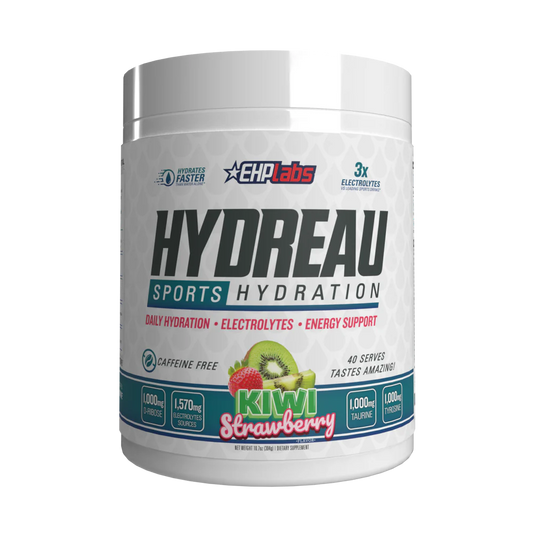
That’s where options like EHP Labs Hydreau differentiate themselves — not because they hydrate “more,” but because they aim to hydrate more effectively under stress.
So no — expensive doesn’t automatically mean better.
But formulation quality can matter depending on your needs.

2. Do Premium Electrolyte Drinks Hydrate Better Than Standard Options?
Hydration isn’t just about how much fluid you drink — it’s about how well your body retains and distributes it.
Water alone can pass through the body quickly when sodium levels are low. Sodium helps the body retain fluid, which is why electrolyte solutions hydrate more effectively during heavy sweating.
Premium formulas may enhance hydration through:
-
optimized sodium levels for fluid retention
-
balanced electrolyte ratios
-
inclusion of glucose transport support (without excess sugar)
-
trace minerals that support cellular hydration
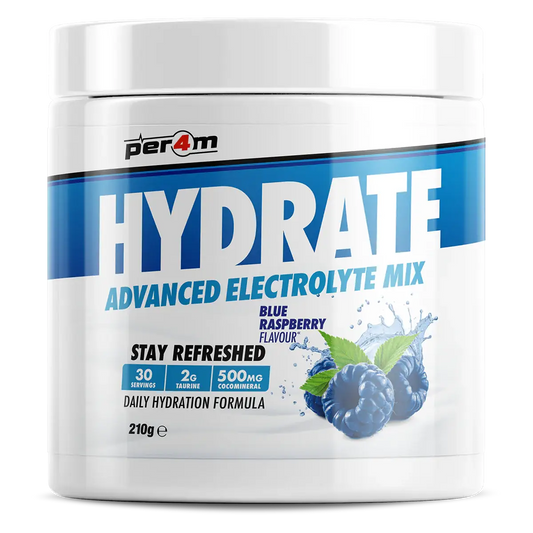
A well-balanced mix like Per4m Hydrate Electrolyte Mix provides hydration support without unnecessary extras, making it ideal for everyday use.
Meanwhile, performance-focused blends are designed for:
-
prolonged sweating
-
intense training
-
hot environments
-
endurance sports
The key takeaway:
Premium electrolytes don’t hydrate better for everyone — they hydrate better in demanding conditions.
3. What Ingredients Make an Electrolyte Formula High Quality?
A high-quality electrolyte formula isn’t defined by price — it’s defined by functionality and balance.
Look for:
✔ Adequate Sodium Content
Essential for fluid retention and preventing dehydration.
✔ Potassium Support
Supports muscle contractions and nerve signalling.
✔ Magnesium
Helps prevent cramps and supports neuromuscular recovery.
✔ Low Sugar or Smart Carbohydrate Use
Excess sugar slows gastric emptying and may cause stomach upset.
✔ Absorption-Friendly Formulation
Electrolytes should be easy on digestion and quickly absorbed.
Products like Applied Nutrition Hydration Powder balance performance hydration with recovery support, making them suitable for training and everyday use.
If a product is loaded with sugar, underdosed in sodium, or missing key minerals, it’s not high quality — regardless of price.

4. Is There a Real Difference Between Electrolyte Powders and Sports Drinks?
Yes — and it’s a big one.
Traditional sports drinks were designed for endurance athletes burning large amounts of glycogen. That’s why they contain significant sugar.
Electrolyte powders, on the other hand, focus on:
-
hydration
-
mineral replacement
-
fluid retention
-
performance support without excess calories
Sports drinks are useful during:
-
long endurance sessions
-
prolonged high-intensity activity
-
competitions lasting 60+ minutes
Electrolyte powders are better for:
-
strength training
-
everyday hydration
-
gym sessions
-
hot environments
-
preventing dehydration
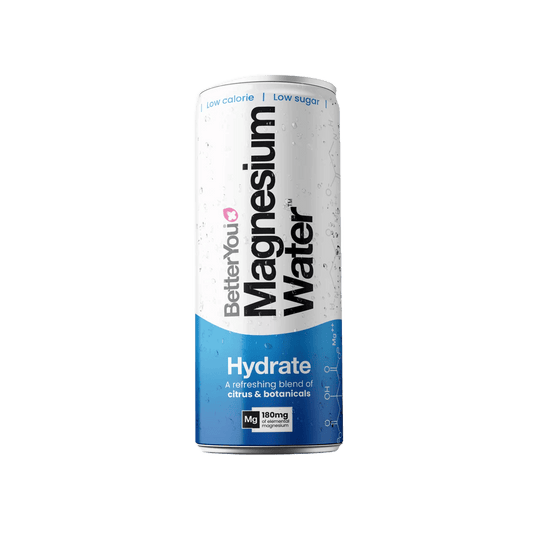
Ready-to-drink options like BetterYou Magnesium Water offer convenience and added magnesium support, making them useful for light hydration and daily mineral intake.
If you’re not burning extreme energy, electrolyte powders usually provide the smarter hydration choice.

5. Do Electrolyte Powders Improve Performance and Recovery?
Yes — when dehydration is limiting performance.
Even mild dehydration can lead to:
-
reduced strength output
-
increased fatigue
-
decreased endurance
-
impaired cognitive focus
-
slower recovery
Electrolytes support performance by:
✔ maintaining nerve signalling
✔ supporting muscle contractions
✔ preventing cramping
✔ improving fluid balance
✔ reducing perceived exertion
This becomes especially important when:
-
sweating heavily
-
training in warm environments
-
performing long sessions
-
training multiple times per day
For moderate gym sessions in a cool environment, water is often enough.
For heavy training, electrolytes can preserve performance capacity.
Part 1 Intermission
So far we’ve established:
• expensive electrolytes aren’t automatically better
• hydration effectiveness depends on formulation and need
• electrolyte balance matters more than price
• powders differ significantly from sugary sports drinks
• hydration can directly influence performance and recovery
In Part 2, we’ll explore:
✔ whether electrolytes are necessary if you’re not training hard
✔ how to tell if your body actually needs them
✔ whether food and water can replace supplements
✔ why some formulas cost more
✔ what to look for in the best electrolyte supplement
Because the real value of electrolytes isn’t in the price tag — it’s in knowing when they actually matter.
Part 2
6. Are Electrolyte Drinks Worth Using if You’re Not Training Hard?
Short answer: usually not — but context matters.
If you’re doing light training in a cool environment and not sweating heavily, plain water is typically sufficient. Your body regulates hydration effectively when mineral losses are minimal.
However, electrolytes can still be useful when:
-
you sweat easily even during moderate workouts
-
you work in hot environments
-
you spend long hours on your feet
-
you experience frequent muscle cramps
-
you follow a low-carb or ketogenic diet (which increases sodium loss)
This is where a light, everyday hydration option like Per4m Hydrate Electrolyte Mix makes sense — not as a performance enhancer, but as a hydration support tool.
Electrolytes aren’t mandatory for casual training — but they can improve comfort, energy stability, and muscle function when sweat loss is higher than expected.

7. How Can You Tell if Your Body Actually Needs Electrolytes?
Your body gives clear signals when hydration and mineral balance drop.
Signs you may need electrolytes include:
-
frequent muscle cramps
-
headaches during or after training
-
dizziness or light-headedness
-
unusual fatigue
-
salt cravings
-
decreased performance despite proper nutrition
Hydration isn’t just about fluid — it’s about electrical balance in the nervous system.
Sodium and potassium regulate nerve impulses. Magnesium helps muscles relax after contraction. When these fall out of balance, performance and comfort drop quickly.
Products like EHP Labs Hydreau are designed for situations where sweat losses are high and hydration demands increase — helping restore electrolyte balance efficiently.
If your sessions leave you feeling drained, flat, or cramp-prone, electrolytes may be solving a deficiency rather than adding a “performance boost.”
8. Can You Get Enough Electrolytes From Food and Water Alone?
Yes — for most people.
Electrolytes are naturally present in whole foods:
-
sodium: salt, soups, cheese
-
potassium: potatoes, bananas, spinach
-
magnesium: nuts, seeds, leafy greens
-
calcium: dairy, fortified foods
If you eat a balanced diet and aren’t sweating heavily, supplementation isn’t necessary.
However, modern lifestyles can reduce intake through:
-
low-sodium dieting trends
-
highly processed low-mineral foods
-
excessive sweating without replacement
-
high caffeine intake increasing fluid loss
Electrolyte supplements offer precision and convenience — particularly around workouts when rapid replacement matters.
A balanced option like Applied Nutrition Hydration Powder provides structured hydration support without needing to micromanage mineral intake.
Food builds baseline health. Electrolysis supplementation fills acute gaps.
9. Why Are Some Electrolyte Powders More Expensive Than Others?
Price differences usually reflect formulation complexity, not just branding.
Factors that influence cost include:
Ingredient Quality
Higher-grade mineral sources and better absorption forms increase manufacturing cost.
Electrolyte Ratios
Performance-focused ratios require careful formulation and testing.
Additional Functional Ingredients
Some blends include:
-
coconut water powder
-
trace minerals
-
amino acids
-
taurine
-
vitamin complexes
Sugar-Free & Low-Calorie Formulation
Developing palatable flavours without sugar increases production complexity.
Research & Testing
Brands investing in performance testing and athlete use data often carry higher price points.
Convenience formats like BetterYou Magnesium Water may cost more per serving, but offer ready-to-drink hydration with targeted mineral support.
You’re not always paying for better hydration — but sometimes you’re paying for better usability, absorption, and consistency.

10. What Should You Look for in the Best Electrolyte Supplement?
Choosing the right electrolyte supplement is less about price and more about matching the formula to your needs.
Look for:
✔ Adequate sodium content (essential for hydration)
✔ Potassium and magnesium support
✔ Low sugar or sugar-free formulas
✔ Transparent electrolyte dosages
✔ Good flavour for consistent use
Choose based on use case:
Everyday hydration
→ Per4m Hydrate Electrolyte Mix
Heavy sweating & performance hydration
→ EHP Labs Hydreau
Convenient daily magnesium support
→ BetterYou Magnesium Water
Training recovery & hydration balance
→ Applied Nutrition Hydration Powder
Budget-friendly electrolyte support
→ Optimum Nutrition Electrolyte Powder
The “best” electrolyte supplement is the one that supports hydration when your body actually needs help maintaining balance.
Conclusion: Are Expensive Electrolytes Worth It?
Electrolytes are one of the most misunderstood supplements in fitness.
They don’t increase performance like caffeine.
They don’t build muscle like protein.
They don’t enhance strength like creatine.
What they do is maintain the internal environment that allows performance to happen.
Expensive electrolytes are worth it when:
✔ you sweat heavily
✔ you train in heat or for long durations
✔ you experience cramps or dehydration symptoms
✔ you need convenient hydration support
They are not necessary when:
✖ hydration levels are normal
✖ training intensity is low
✖ mineral intake from diet is sufficient
The real value isn’t in the price tag — it’s in using them at the right time.
Hydration isn’t glamorous, but it’s foundational. And when fluid balance is off, performance quietly suffers long before you notice it.
FAQ
Do expensive electrolytes hydrate better?
They can in high-sweat conditions due to optimized mineral ratios and absorption support.
Are cheap electrolytes effective?
Yes — if they contain adequate sodium and key minerals.
Do I need electrolytes for gym workouts?
Only if you sweat heavily or train in warm conditions.
Can electrolytes improve performance?
They support performance by preventing dehydration-related fatigue.
Are electrolyte drinks better than water?
Only when mineral loss through sweat is significant.
Do electrolytes help prevent cramps?
Yes, particularly sodium and magnesium support muscle function.
Can I get electrolytes from food?
Yes, but supplementation helps with rapid replacement during exercise.
Are sugar-free electrolyte mixes better?
For most gym users, yes — they hydrate without unnecessary calories.
When should I take electrolytes?
Before, during, or after training when sweating heavily.
Are electrolytes worth the money?
They are when hydration and mineral balance are limiting performance.