

Walk into almost any gym today and you’ll see it: someone cracking open an energy drink before they even touch a dumbbell.
Bright cans promising “focus”, “energy”, and “performance” have become a common part of gym culture. For many people, an energy drink feels like the quickest way to wake up, get motivated, and power through a tough workout.
But that convenience raises an important question.
Are energy drinks actually a good choice before training, or could they be doing more harm than good?
Energy drinks are designed to stimulate the central nervous system using ingredients like caffeine, taurine, and B-vitamins. In the right amount, caffeine can increase alertness, improve focus, and even enhance certain aspects of workout performance.
However, not all stimulant drinks are created with exercise in mind.
Many energy drinks are formulated primarily for general energy and productivity, not specifically for athletic performance. This means their ingredient balance may differ significantly from supplements designed for training.
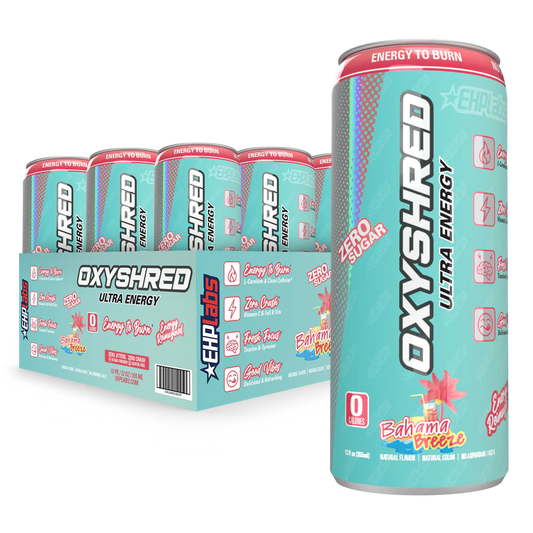
For example, drinks like EHP Labs OxyShred Ultra Energy Drink or cognitive-focused beverages such as Neutonic Productivity Drink deliver stimulant effects that can increase alertness and mental focus — but they are not always optimized for workout performance in the same way as dedicated pre-workout formulas.
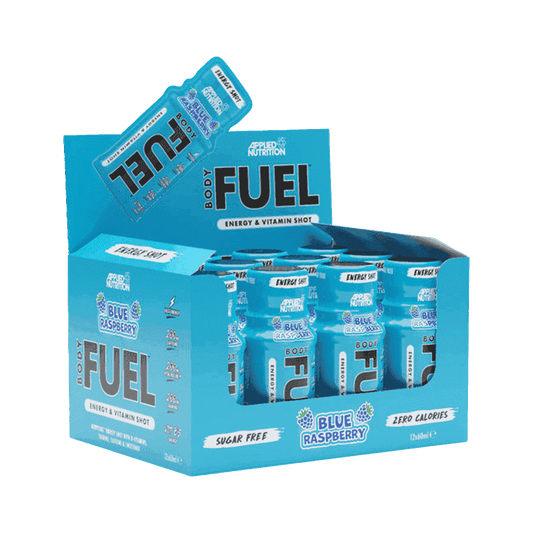
At the same time, ultra-concentrated options like Applied Nutrition Body Fuel Energy Shot offer fast stimulant delivery in a much smaller serving size, which can make caffeine intake harder to gauge if you're not careful.
So before grabbing the nearest energy drink on the way to the gym, it’s worth understanding how these products actually affect training.
1. Is It Safe to Drink Energy Drinks Before the Gym?
For most healthy adults, consuming caffeine before exercise is generally considered safe.
In fact, caffeine is one of the most widely researched performance-enhancing substances in sports nutrition. It can improve alertness, reduce perceived fatigue, and sometimes increase power output during training.
However, safety often depends on dosage and timing.
Energy drinks can vary widely in caffeine content. Some contain moderate amounts similar to coffee, while others deliver significantly higher stimulant doses in a single serving.
When taken before a workout, stimulants may increase:
-
heart rate
-
blood pressure
-
perceived energy levels
For many people, this combination can feel helpful during training.
But problems can arise when caffeine intake becomes excessive — especially when combined with intense exercise.
Small, concentrated products such as Applied Nutrition Body Fuel Energy Shot can deliver stimulants quickly, which may be convenient but also increases the risk of unintentionally consuming more caffeine than intended.
As with most performance supplements, moderation and awareness of dosage are key.

2. Are Energy Drinks the Same as Pre-Workout Supplements?
Energy drinks and pre-workout supplements may appear similar, but they are usually designed for different purposes.
Energy drinks are typically formulated for general alertness and energy. Their ingredient profiles often include caffeine, taurine, and B-vitamins to stimulate the nervous system.
Pre-workout supplements, on the other hand, are usually designed specifically to enhance exercise performance.
Dedicated pre-workouts often include ingredients such as:
-
beta-alanine
-
citrulline malate
-
creatine
-
electrolytes
These ingredients target endurance, muscle pump, and strength performance — benefits that standard energy drinks rarely focus on.
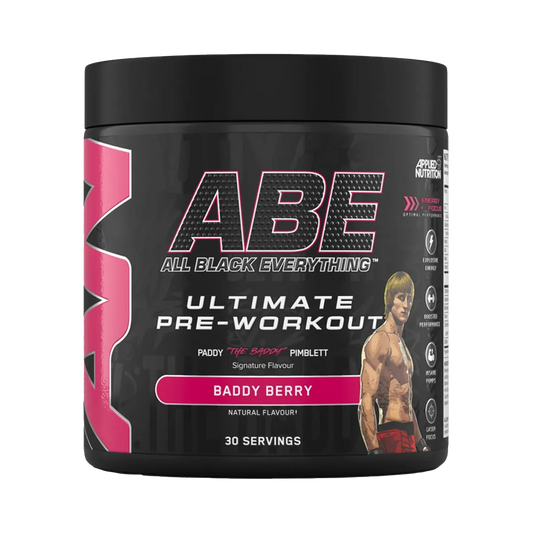
For example, high-stim pre-workout formulas such as ABE All Black Everything – Ultimate Pre-Workout are designed specifically to support workout intensity with a combination of stimulants and performance-focused ingredients.
Similarly, performance formulas like Naughty Boy Menace V2 combine caffeine with additional training ingredients designed to improve focus and endurance during exercise.
While energy drinks may provide a temporary energy boost, they often lack the broader ingredient profile designed to support workout performance.
3. How Much Caffeine Is Safe Before a Workout?
Caffeine is the primary stimulant responsible for the performance boost people feel from energy drinks.
Most research suggests that 3–6 mg of caffeine per kilogram of body weight can improve performance in endurance and strength activities.
However, individual tolerance varies significantly.
Some people feel energized with relatively small amounts of caffeine, while others require larger doses to experience noticeable effects.
Energy drinks can make caffeine intake harder to track because serving sizes and concentrations vary widely between brands.
For example, a standard energy drink such as EHP Labs OxyShred Ultra Energy Drink may contain a moderate caffeine dose designed for alertness and metabolism support, while other products may deliver stronger stimulant effects.
The key point is that caffeine intake should be intentional, not accidental.
Combining multiple stimulant products — such as an energy drink plus pre-workout — can easily push caffeine intake beyond recommended levels.
4. Do Energy Drinks Improve Workout Performance?
Energy drinks can improve certain aspects of workout performance — mainly through their caffeine content.
Caffeine works by blocking adenosine receptors in the brain, which reduces feelings of fatigue and increases alertness.
This can lead to several potential performance benefits:
-
improved focus
-
increased perceived energy
-
better reaction time
-
slightly improved endurance
For individuals training early in the morning or after a long workday, these effects can make workouts feel significantly easier.
Drinks designed to support alertness, such as Neutonic Productivity Drink, can enhance mental clarity and focus — which may indirectly improve training quality for some individuals.
However, improved energy does not necessarily mean improved physical performance.
Without performance-focused ingredients like those found in dedicated pre-workouts, energy drinks may primarily provide stimulation rather than full workout support.

5. Can Energy Drinks Cause a Crash During Training?
One of the most common complaints about energy drinks is the so-called “energy crash.”
This crash usually occurs when stimulant levels decline rapidly after peaking. The result can be a sudden drop in energy levels, fatigue, or difficulty concentrating.
Several factors can contribute to this effect:
-
very high caffeine doses
-
added sugars
-
rapid stimulant absorption
When this happens during a workout, it can negatively affect training performance.
High-stim products designed for exercise, such as ABE Ultimate Pre-Workout or Naughty Boy Menace V2, often aim to balance stimulants with performance ingredients to reduce the likelihood of this sudden drop in energy.
Energy drinks that rely primarily on caffeine stimulation may not always provide the same sustained support during longer workouts.
Part 1 Intermission
So far we’ve explored:
-
Whether energy drinks are safe before the gym
-
How energy drinks differ from pre-workout supplements
-
Safe caffeine intake before exercise
-
How energy drinks affect workout performance
-
Why energy crashes can occur during training
In Part 2, we’ll explore:
-
Whether energy drinks can affect heart health during exercise
-
The key ingredients that influence workout performance
-
Whether pre-workouts are healthier than energy drinks
-
Whether beginners should avoid stimulant drinks
-
What you should drink before a workout instead.
Part 2
6. Are Energy Drinks Bad for Your Heart During Exercise?
One of the biggest concerns around energy drinks and training is how they affect the cardiovascular system.
Energy drinks typically contain stimulants like caffeine, taurine, and other compounds designed to increase alertness. When combined with physical exercise — which already raises heart rate and blood pressure — stimulants can amplify these effects.
For most healthy adults, moderate caffeine intake before exercise is generally safe. However, issues can arise when stimulant intake becomes excessive.
Large doses of caffeine can lead to:
-
elevated heart rate
-
increased blood pressure
-
heart palpitations
-
jitteriness or anxiety
During intense training, this combination can place additional stress on the cardiovascular system.
Small, highly concentrated products such as Applied Nutrition Body Fuel Energy Shot deliver stimulant effects quickly due to their compact serving size. While convenient, this format also makes it easier to consume caffeine rapidly if you're not careful with dosage.
The key takeaway is that stimulant intake should be intentional and controlled, particularly before intense exercise.
7. What Ingredients in Energy Drinks Affect Workouts?
Energy drinks typically rely on a small number of ingredients that drive their effects.
The most important is caffeine, which stimulates the central nervous system and reduces feelings of fatigue. Caffeine is responsible for most of the perceived performance benefits associated with energy drinks.
Many formulas also contain taurine, an amino acid that may support hydration balance and nervous system function.
B-vitamins are commonly included as well, although their main role is supporting normal energy metabolism rather than directly increasing workout performance.
Drinks like EHP Labs OxyShred Ultra Energy Drink combine caffeine with additional ingredients aimed at supporting energy levels and metabolic activity.
However, energy drinks rarely include ingredients that directly support strength or endurance performance.
This is where pre-workout supplements differ. Dedicated formulas often combine caffeine with performance compounds designed to support training intensity.
For example, supplements like ABE All Black Everything – Ultimate Pre-Workout include ingredients intended to support focus, endurance, and workout output in addition to stimulant energy.
8. Is Pre-Workout Healthier Than Energy Drinks?
Whether pre-workout is “healthier” than energy drinks depends largely on how the products are used.
Energy drinks are typically formulated for convenience and general stimulation. They are designed to be consumed quickly and provide a fast energy boost.
Pre-workout supplements, on the other hand, are specifically formulated with training performance in mind.
This means they often include ingredients intended to support:
-
muscular endurance
-
workout focus
-
blood flow and pump
-
sustained energy during training
High-performance formulas such as Naughty Boy Menace V2 combine stimulants with additional ingredients that target exercise performance rather than just alertness.
Because of this, pre-workouts may provide a more balanced approach to training energy compared to standard energy drinks.
However, both categories still rely heavily on caffeine and stimulants. Consuming them responsibly and avoiding excessive intake remains the most important factor.

9. Should Beginners Avoid Energy Drinks Before Training?
Beginners often assume that stimulant drinks are necessary for a good workout.
In reality, many people can train perfectly well without any stimulant supplementation.
For someone new to exercise, the body is already adapting to a new training stimulus. Energy levels, motivation, and focus often improve naturally as fitness levels increase.
Introducing high doses of stimulants early on can sometimes lead to problems such as:
-
dependency on caffeine for motivation
-
overstimulation during training
-
difficulty sleeping later in the day
Drinks designed primarily for focus and alertness, such as Neutonic Productivity Drink, may provide a mental energy boost, but beginners may not need additional stimulation beyond normal nutrition and hydration.
For many new gym-goers, a balanced meal and proper hydration before training can provide all the energy needed for effective workouts.
10. What Should You Drink Before a Workout Instead?
The best pre-workout drink depends on the individual and the type of training being performed.
For many people, the simplest option remains water and proper nutrition.
Hydration plays a critical role in performance. Even mild dehydration can reduce strength, endurance, and focus during training.
Some individuals prefer a small amount of caffeine before workouts, which can come from sources such as coffee or moderate stimulant drinks.
Others may choose pre-workout supplements designed specifically for training support.
The key is to choose a strategy that supports consistent performance without relying on excessive stimulant intake.
Energy drinks can sometimes provide a convenient boost, but they should be used thoughtfully rather than automatically before every session.
Ultimately, the most important factors for workout performance remain:
-
consistent training
-
proper sleep
-
balanced nutrition
-
adequate hydration
Stimulant drinks may support energy temporarily, but they should never replace the fundamentals of performance and recovery.
Conclusion
Energy drinks have become a common part of gym culture, but they are not always the ideal choice before training.
While caffeine can improve alertness and reduce fatigue, energy drinks are typically designed for general stimulation rather than optimized workout performance.
Dedicated pre-workout supplements often provide a more balanced approach by combining stimulants with ingredients designed to support endurance, focus, and training output.
That said, neither energy drinks nor pre-workouts are essential for effective workouts.
For many people, proper hydration, nutrition, and sleep remain the most powerful tools for consistent training performance.
Energy drinks can be used occasionally for an extra boost — but they should be consumed responsibly and with awareness of total caffeine intake.
FAQ’s
Are energy drinks bad before a workout?
Energy drinks are not necessarily bad before a workout, but they should be consumed in moderation because high caffeine intake combined with intense exercise can increase heart rate and blood pressure.
Do energy drinks improve workout performance?
Energy drinks may improve focus and perceived energy due to caffeine, but they usually lack the performance ingredients found in dedicated pre-workout supplements.
How much caffeine is safe before exercise?
Most research suggests that 3–6 mg of caffeine per kilogram of body weight can improve performance, but individual tolerance varies.
Can energy drinks cause crashes during workouts?
Yes. High caffeine or sugar intake can sometimes lead to a rapid drop in energy levels once stimulant effects begin to wear off.
Are pre-workout supplements better than energy drinks?
Pre-workout supplements are typically designed specifically for exercise performance and often contain ingredients that support endurance and focus in addition to caffeine.
Should beginners use energy drinks before training?
Beginners often do not need stimulant drinks. Proper hydration, nutrition, and consistent training usually provide enough energy for workouts.