

Part 1 — What Happens in the First Days and Weeks
Creatine is one of the most researched supplements in sport, yet it’s also one of the most misunderstood. Some people expect instant results. Others take it for weeks and assume it’s “not working” because nothing dramatic happens overnight.
The truth sits somewhere in the middle. Creatine does work quickly inside the body — but the results show up in stages.
1. How Quickly Does Creatine Start Working in the Body?
Creatine starts working almost immediately after you begin taking it — just not in a way you can feel straight away.
Once consumed, creatine is absorbed and stored in muscle as phosphocreatine. This increases the muscle’s ability to rapidly regenerate ATP, the energy currency used for short, intense efforts like lifting, sprinting, or repeated physical work.
In most people:
-
Muscle creatine levels begin rising within a few days
-
Full saturation takes 2–4 weeks without loading
-
Or 5–7 days with a loading phase
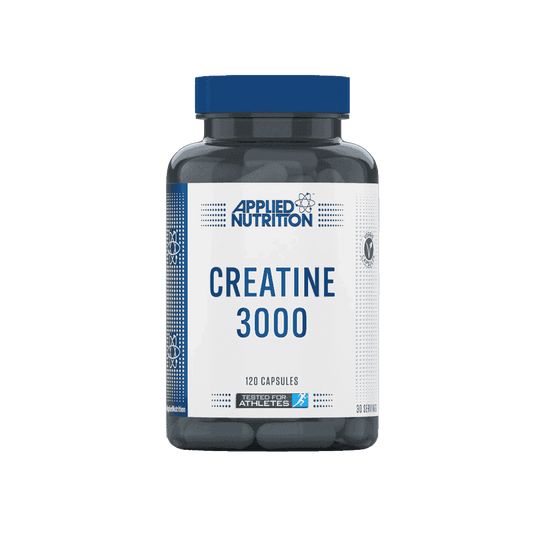
This is why a daily dose of a straightforward creatine like Naughty Boy Prime Creatine works well — consistency matters more than timing or fancy formulations.

2. What Results Can You Expect in the First Week of Creatine?
The first week is mostly about internal changes, not visible ones.
Common early signs include:
-
Slight increase in bodyweight (usually water, not fat)
-
Muscles feeling “fuller” or tighter
-
Slight improvement in training endurance across sets
Strength jumps in week one are possible, but they’re usually subtle. Creatine doesn’t create strength — it allows you to access more of the strength you already have by improving short-term energy availability.
Hydration plays a role here. Because creatine pulls water into muscle cells, staying well hydrated — for example with Applied Nutrition Hydration Powder — helps minimise headaches and supports proper muscle saturation.
3. Does Creatine Work Faster With a Loading Phase?
Yes — but it’s optional.
A loading phase (typically ~20g per day split into doses for 5–7 days) fills muscle creatine stores faster. This can:
-
Speed up saturation
-
Make early effects more noticeable
However, loading often comes with:
-
Temporary bloating
-
Faster water weight gain
Taking 3–5g daily without loading achieves the same end result — it just takes longer. For most people, especially those training consistently, skipping the loading phase is simpler and easier on digestion.

4. How Long Does It Take to See Strength Gains From Creatine?
For most people, measurable strength improvements appear around 2–3 weeks in.
This usually shows up as:
-
Extra reps at the same weight
-
Slight increases in load without added effort
-
Better performance in repeated sets
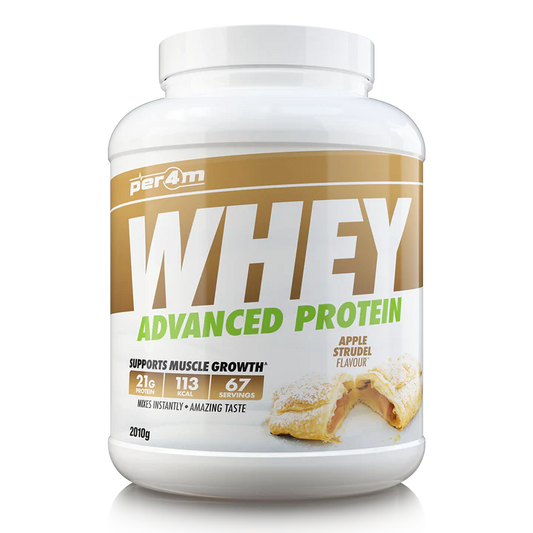
Creatine works best when training quality is already solid. If sleep is poor or recovery is inconsistent, gains can feel slower. That’s why factors like rest and protein intake matter alongside creatine use — support from basics like Per4m Advanced Whey Protein and good sleep habits can influence how quickly benefits show up.

5. When Does Creatine Start Increasing Muscle Size?
Creatine doesn’t directly “build” muscle — training does.
That said, creatine can support muscle growth by:
-
Allowing higher training volume
-
Improving recovery between sets
-
Increasing cell hydration (which can enhance anabolic signalling)
Visible size changes typically appear after 3–6 weeks, depending on training, diet, and genetics. Early weight gain is mostly water inside muscle cells, not new muscle tissue — but this fullness can still make muscles look larger.
End of Part 1
In Part 2, we’ll cover:
-
Why creatine causes rapid weight gain at the start
-
How to tell if creatine is actually working for you
-
What changes after one month
-
Differences between beginners and experienced lifters
-
What slows down or blocks creatine’s effectiveness
How Long Does Creatine Take to Start Working?
Part 2 — Weight Gain, One-Month Changes, and How to Tell It’s Working
If Part 1 covered when creatine starts working, Part 2 is about what people actually notice, what’s normal, and what can get in the way.
6. Why Does Creatine Cause Rapid Weight Gain at the Start?
This is the part that catches most people off guard.
Creatine pulls water into muscle cells, not under the skin. That means:
-
Scales may jump up quickly
-
Clothes may feel tighter around muscles
-
Strength can improve before muscle size does
This isn’t fat gain. It’s intracellular water, which is part of how creatine improves performance. Muscles that are better hydrated tend to produce force more efficiently.
Weight gain in the first 1–2 weeks is normal. If hydration is poor, this phase can feel rougher than it needs to — headaches, bloating, or fatigue are often signs fluid and electrolytes aren’t keeping up. That’s where something like Applied Nutrition Hydration Powder supports the process.

7. How Can You Tell If Creatine Is Actually Working for You?
Creatine doesn’t always announce itself loudly. The best signs are performance-based, not cosmetic.
Common indicators include:
-
Extra reps at the same weight
-
Better performance in later sets
-
Faster recovery between efforts
-
Training feeling slightly more “repeatable”
If lifts feel more consistent week to week, creatine is likely doing its job — even if the mirror hasn’t changed yet.
8. What Happens After One Month of Consistent Creatine Use?
After around 4 weeks, muscle creatine stores are typically saturated.
This is when benefits stabilise:
-
Strength gains become more noticeable
-
Training volume increases more easily
-
Muscle fullness becomes consistent rather than fluctuating
At this stage, creatine is no longer “kicking in” — it’s supporting training in the background. This is where recovery quality matters more. Sleep, food, and stress levels now determine how much benefit you actually get from being saturated.
9. Does Creatine Work Differently for Beginners vs Experienced Lifters?
Yes — but it works for both.
-
Beginners often notice faster strength increases because neural adaptations and improved energy availability happen together.
-
Experienced lifters may see smaller jumps, but improved consistency, volume tolerance, and recovery stand out more.
Neither response is better — they’re just different starting points.

10. What Slows Down or Reduces Creatine’s Effectiveness?
Creatine is simple, but it isn’t magic. Common reasons people think it “isn’t working” include:
-
Inconsistent daily intake
-
Poor hydration
-
Inadequate sleep
-
Low training effort or volume
Creatine supports effort — it doesn’t replace it. Consistency with a basic daily dose from something like Naughty Boy Prime Creatine, alongside solid training and recovery, is what produces results.
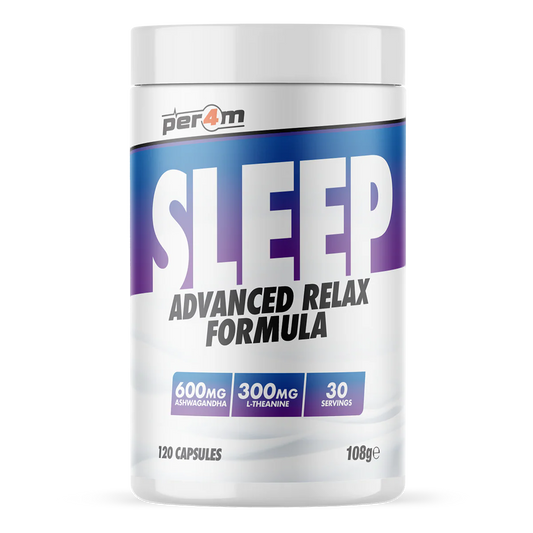
Stress also plays a role. Chronic stress and poor sleep blunt performance gains, which can make creatine feel underwhelming. Supporting recovery — including sleep quality with Per4m Sleep — often restores the benefits people think they’ve “lost.”
Final Takeaway
Creatine doesn’t flip a switch overnight — it builds quietly.
-
Internal changes start within days
-
Performance improvements show within weeks
-
Visible changes follow consistent training
If you take it daily, hydrate properly, train hard, and recover well, creatine works reliably — even if it doesn’t feel dramatic at first.
FAQ — How Long Does Creatine Take to Start Working?
1. How long does creatine take to work without loading?
Most people feel noticeable performance changes in 2–3 weeks, with full saturation around 3–4 weeks.
2. How long does creatine take to work with a loading phase?
Often within 5–7 days, because muscle stores fill faster.
3. Is rapid weight gain on creatine normal?
Yes. Early scale weight is usually water inside muscle cells, not fat.
4. What are the first signs creatine is working?
More reps, stronger later sets, better repeat performance, and slightly fuller muscles.
5. Does creatine work immediately?
It starts raising muscle creatine quickly, but visible results take time.
6. How long until creatine improves strength?
Commonly 2–3 weeks, depending on training quality and consistency.
7. When does creatine increase muscle size?
Fullness can increase early, but actual size changes typically show after 3–6 weeks with training.
8. Why does creatine feel like it “stopped working”?
Usually inconsistent dosing, poor sleep, dehydration, or training not progressing.
9. Do beginners see results faster than experienced lifters?
Beginners often notice bigger jumps early, experienced lifters notice improved volume and consistency.
10. Should you take creatine on rest days?
Yes. Daily intake matters more than workout timing.