

Few supplements have earned the level of trust creatine has in the fitness world.
Decades of research support its ability to improve strength, increase power output, and support muscle growth. Athletes, bodybuilders, and everyday gym-goers have relied on it for years to push harder in training and recover faster between sessions.
Yet one persistent question refuses to disappear:
Can creatine cause hair loss?
You’ll see the claim everywhere. Forums, TikTok, YouTube comments — people warning that creatine “raises DHT” and might accelerate baldness.
For some men, that possibility is enough to make them stop using one of the most effective performance supplements available.
But like most supplement myths, the reality is far more nuanced.
Hair loss is influenced by genetics, hormones, age, nutrition, and overall health. A single supplement rarely tells the whole story.
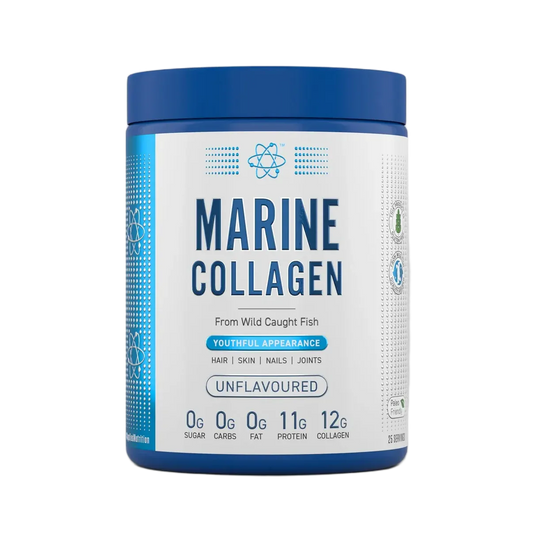
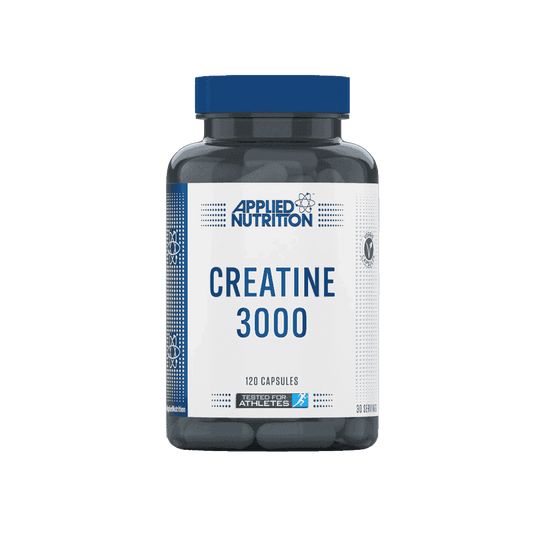
Whether you prefer a classic powder like Naughty Boy Prime Creatine, convenient capsules such as Applied Nutrition Creatine 3000, or focus on hair-supportive nutrients like Applied Nutrition Marine Collagen, the real question isn’t simply “does creatine cause hair loss?”
It’s whether the science actually supports that claim.
Let’s break it down properly.
1. Does Creatine Increase DHT Levels?
The entire creatine-hair loss debate comes from one study published in 2009 involving rugby players.
In that study, creatine supplementation appeared to increase levels of DHT (dihydrotestosterone) — a hormone derived from testosterone that plays a role in male pattern baldness.
DHT binds to receptors in hair follicles. In men genetically predisposed to baldness, high sensitivity to DHT can cause hair follicles to shrink over time.
This is why people often assume creatine causes hair loss.
However, the key point is this:
The study did not measure hair loss.
It only measured hormone levels.
Since that study was published, multiple reviews of creatine research have found no consistent evidence showing creatine increases DHT in a way that leads to hair thinning.
Creatine itself does not act as a hormone. Its primary role is to increase phosphocreatine stores in muscle cells, helping regenerate ATP — your body’s immediate energy source during high-intensity exercise.
Products such as Naughty Boy Prime Creatine or capsule formats like Applied Nutrition Creatine 3000 simply provide creatine monohydrate in different delivery forms.
They influence muscle energy systems, not hair follicles directly.

2. Is There Scientific Evidence That Creatine Causes Hair Loss?
At the moment, there is no direct clinical evidence linking creatine supplementation to actual hair loss.
Despite creatine being one of the most studied supplements in sports nutrition, no controlled trials have demonstrated that creatine users experience increased rates of balding.
What researchers have found instead is that hair loss is primarily driven by:
-
Genetics
-
Hormonal sensitivity
-
Age
-
Nutritional status
-
Stress levels
Genetics is the dominant factor.
If someone carries genes associated with androgenic alopecia (male pattern baldness), hair thinning can occur regardless of supplementation.
In contrast, many nutrients can actually support hair health.
For example, Applied Nutrition Marine Collagen provides structural proteins that support hair, skin, and connective tissue. Collagen doesn’t prevent genetic baldness, but it contributes to the structural integrity of hair strands and scalp tissue.
Hair health is influenced by overall nutritional support — not just hormones.
3. Can Creatine Accelerate Male Pattern Baldness?
The key word here is accelerate.
Creatine cannot create baldness on its own.
However, if someone is genetically predisposed to androgenic alopecia, anything that slightly alters hormonal pathways could theoretically influence the timeline.
But even here, the evidence remains weak.
Large reviews of creatine supplementation show no meaningful long-term changes in testosterone or DHT levels.
What often happens instead is that people begin taking creatine during periods when they are:
-
Training harder
-
Dieting more aggressively
-
Experiencing higher stress
-
Entering the age where hair thinning naturally begins
Correlation gets mistaken for causation.
In reality, lifestyle factors — including diet and micronutrient intake — often play a larger role in hair health.
This is where foundational support from broad-spectrum products like Applied Nutrition Multi-Vitamin Complex becomes relevant. Vitamins such as zinc, biotin, and vitamin B12 contribute to normal hair growth cycles and scalp health.
Hair loss is rarely caused by a single variable.
4. Who Is Most at Risk of Hair Thinning from Creatine?
If creatine were to influence hair loss at all, the group most likely affected would be:
Men genetically predisposed to androgenic alopecia.
This is determined largely by family history.
Signs of genetic hair thinning include:
-
Receding hairline
-
Thinning at the crown
-
Gradual miniaturisation of hair follicles
If baldness runs strongly in your family, you may simply become more aware of hair changes while taking supplements.
But again, creatine itself does not initiate the genetic process.
Interestingly, nutritional deficiencies can contribute to temporary hair shedding — something often confused with male pattern baldness.
Omega-3 fatty acids, for example, support scalp health and inflammation balance. Products like Per4m Advanced Omega-3 help maintain healthy cell membranes, which can support overall hair and skin condition.
Hair health is a systemic issue.
Hormones, nutrition, stress, and genetics all interact.

5. Does Stopping Creatine Reverse Hair Shedding?
If creatine were the cause of hair shedding, stopping it should reverse the problem.
But in most reported cases, hair thinning continues even after supplementation stops — suggesting creatine was not the underlying cause.
Hair grows in cycles:
-
Growth phase (anagen)
-
Transition phase (catagen)
-
Resting phase (telogen)
Temporary shedding can occur during stress, illness, dieting, or hormonal shifts. This type of shedding often resolves on its own over several months.
True male pattern baldness, however, progresses gradually regardless of supplement use.
Stopping creatine may reduce anxiety around the issue, but it rarely changes the underlying genetic trajectory.
Part 1 Intermission
So far we’ve covered:
-
Whether creatine increases DHT
-
The scientific evidence behind the hair loss claim
-
The relationship between creatine and male pattern baldness
-
Who may be most concerned about the issue
-
Whether stopping creatine reverses shedding
In Part 2, we’ll look deeper into:
-
How much creatine could theoretically affect hair loss risk
-
Whether creatine influences testosterone long term
-
Safer alternatives to creatine for performance
-
What doctors and researchers actually say about the myth
-
Whether people with a family history of baldness should avoid creatine entirely
Because when you examine the evidence properly, the creatine-hair loss debate becomes far clearer than the internet makes it seem.
6. How Much Creatine Would Affect Hair Loss Risk?
If creatine truly caused hair loss, we would expect the risk to increase with higher doses.
But the available research does not support this.
Most athletes take 3–5 grams of creatine per day, which is enough to maintain full muscle creatine saturation after an initial loading phase. At these doses, long-term studies consistently show creatine to be safe for healthy adults.
The famous 2009 rugby study that sparked the hair loss debate used a loading protocol of around 25 grams per day for a short period, followed by maintenance dosing. Even then, researchers only observed a change in DHT levels — not hair loss.
Importantly, that result has never been consistently replicated.
Typical creatine supplementation — whether from powders like Naughty Boy Prime Creatine or capsule formats such as Applied Nutrition Creatine 3000 — stays well within the range considered safe by sports nutrition researchers.
At these normal doses, creatine primarily works by increasing the amount of phosphocreatine stored in muscle cells, helping regenerate ATP during high-intensity exercise.
Hair follicles are not directly involved in that process.
For most people, the dose required for performance benefits is far below anything that would meaningfully influence hormonal pathways.
7. Does Creatine Affect Testosterone or DHT Long Term?
Another major concern is whether creatine changes testosterone levels in a way that could influence hair loss.
Again, the scientific evidence suggests no meaningful long-term hormonal changes.
Multiple controlled studies show that creatine supplementation does not significantly increase testosterone levels. In healthy individuals, hormone levels remain within normal physiological ranges.
Even when athletes supplement for months or years, creatine does not appear to disrupt endocrine function.
The body regulates hormones through complex feedback systems involving the hypothalamus, pituitary gland, and testes. Supplements like creatine do not override those regulatory mechanisms.
That’s why creatine remains one of the most widely recommended supplements for strength and performance.
In contrast, long-term health and hair quality often depend more on nutritional status than on small hormonal fluctuations.
For example, structural proteins play a role in hair strength and thickness. Products such as Applied Nutrition Marine Collagen supply collagen peptides that support connective tissue and hair structure as part of a balanced nutrition routine.
Hair health is not only about hormones — it’s also about providing the body with the building blocks it needs.
8. Are There Alternatives to Creatine for Muscle Growth?
Creatine remains one of the most effective performance supplements ever studied.
But if someone still feels uncomfortable using it, there are other ways to support training progress.
Strength and muscle development rely heavily on:
-
Adequate protein intake
-
Consistent resistance training
-
Recovery and sleep
-
Micronutrient sufficiency
Ensuring a balanced intake of essential vitamins and minerals is important for muscle function, recovery, and overall health.
A broad-spectrum formula such as Applied Nutrition Multi-Vitamin Complex can help support daily micronutrient needs, particularly during periods of intense training or calorie restriction.
While vitamins alone won’t replicate the performance benefits of creatine, they contribute to the metabolic processes that allow the body to adapt to training.
For individuals prioritising overall health alongside performance, combining resistance training with good nutrition often matters far more than any single supplement.

9. What Do Doctors and Researchers Say About Creatine and Hair Loss?
Most medical professionals consider the creatine-hair loss link to be largely speculative.
Sports nutrition organisations, including the International Society of Sports Nutrition, continue to classify creatine monohydrate as safe and effective.
Their position statements highlight decades of research showing no major health risks when creatine is used responsibly.
In fact, creatine research has expanded beyond athletic performance. Studies now examine its potential benefits for:
-
Brain health
-
Recovery from injury
-
Age-related muscle loss
-
Neurological conditions
If creatine genuinely caused widespread hair loss, this would likely have been observed across thousands of clinical participants by now.
Instead, the available evidence suggests that the claim originated from a misinterpretation of limited data.
Hair loss remains primarily genetic.
Lifestyle factors such as diet quality, inflammation, and overall health can also influence scalp condition. Nutrients such as omega-3 fatty acids, found in products like Per4m Advanced Omega-3, help support normal inflammatory balance and healthy skin.
A healthy scalp environment is part of maintaining healthy hair.
10. Should You Avoid Creatine If Baldness Runs in Your Family?
This is the question many people ultimately care about.
If you already have a genetic predisposition to male pattern baldness, it’s understandable to be cautious about anything that might influence hormones.
But based on current research, there is no strong evidence that creatine accelerates genetic hair loss.
What matters far more is the genetic sensitivity of your hair follicles to DHT — something that supplements cannot fundamentally change.
If someone is particularly concerned, they may choose to monitor hair density while supplementing.
However, millions of athletes use creatine worldwide without reporting widespread hair loss issues.
For most people, the benefits of improved strength, better training performance, and faster recovery outweigh the theoretical risks often discussed online.
Creatine remains one of the most reliable tools available for improving exercise performance.
Conclusion
The idea that creatine causes hair loss has circulated for years, but the evidence behind the claim is extremely limited.
The myth largely stems from a single study measuring hormone levels rather than actual hair thinning.
When the broader body of research is examined, creatine consistently appears safe for long-term use in healthy adults.
Hair loss is far more strongly influenced by genetics, age, nutrition, and hormonal sensitivity than by any individual supplement.
For athletes and gym-goers focused on performance, creatine remains one of the most well-supported supplements available.
And for those interested in maintaining overall hair and scalp health, a balanced approach to nutrition — including protein, vitamins, collagen, and essential fatty acids — plays a far larger role than avoiding creatine entirely.
FAQ's
Does creatine increase DHT and cause hair loss?
There is no strong scientific evidence that creatine increases DHT in a way that leads to hair loss.
Can creatine accelerate male pattern baldness?
Creatine does not appear to accelerate genetic hair loss according to current research.
Should I stop creatine if my hair is thinning?
Hair thinning is usually genetic. Stopping creatine rarely changes the underlying cause.
Is creatine safe to take long term?
Creatine monohydrate is widely considered safe for long-term use in healthy individuals.
Are there supplements that support hair health?
Nutrients such as collagen, omega-3 fatty acids, vitamins, and minerals help support normal hair and scalp health.