

Ready-to-drink (RTD) protein shakes promise the ultimate shortcut: twist the cap, drink, and get your protein in seconds. No scoops. No shaker. No mess. For busy commuters, gym-goers rushing between sessions, and anyone juggling work, training, and life, that convenience is undeniably appealing.
But convenience and quality aren’t always the same thing.
Bottled protein shakes have exploded in popularity, lining supermarket fridges and petrol station shelves, marketed as healthy, high-protein solutions for muscle growth, recovery, and weight management. Yet when you look beyond the label, questions start to surface: Are they nutritionally sound? Are they worth the price? And are they actually better than making your own shake?
The truth is nuanced. RTD shakes can be useful in certain situations, but they also come with trade-offs — including cost, added ingredients, reduced satiety, and lower nutritional flexibility.
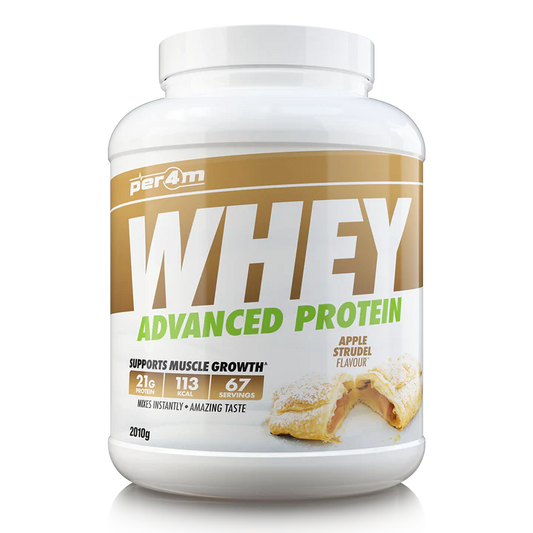
For most people, mixing a fresh shake using options like Per4m Advanced Whey Protein, MyProtein Impact Whey Protein, or a lighter alternative like Applied Nutrition Clear Whey provides superior control over ingredients, protein quality, and cost. Pairing protein with real food sources — such as slow-digesting carbs like Applied Nutrition Cream of Rice — can also improve fullness and energy stability in ways bottled drinks rarely achieve.
Convenience matters. But so does understanding what you’re actually consuming.
Let’s break down whether ready-to-drink protein shakes are worth it — and when they might not be.
1. Are Ready-Made Protein Shakes Good for You?
They can be — but not all are created equal.
Some RTD shakes deliver a decent protein dose with moderate calories and minimal additives. Others contain added sugars, stabilisers, artificial sweeteners, and thickeners designed to improve texture and shelf life.
Unlike fresh shakes, bottled versions must remain stable for months. This often requires processing methods and ingredient additions that alter taste, texture, and nutritional purity.
A freshly mixed shake using Per4m Advanced Whey Protein or MyProtein Impact Whey Protein offers:
• complete protein with essential amino acids
• minimal processing after mixing
• ingredient transparency
• control over sweetness and thickness
By contrast, RTD shakes sacrifice flexibility for shelf stability.
They aren’t inherently unhealthy — but they aren’t nutritionally superior either.

2. Why Do Dietitians Sometimes Criticise Protein Powder?
It’s not protein powder itself that draws criticism — it’s misuse.
Concerns usually arise when protein supplements replace balanced meals or are used despite adequate dietary protein intake.
Whole foods provide:
• fibre
• micronutrients
• healthy fats
• digestion support
• greater satiety
Protein powders are supplements, not replacements.
Used correctly, they help meet protein needs conveniently. Used excessively, they can crowd out nutrient-dense foods.
A balanced approach might include a protein shake post-workout and real meals throughout the day — rather than relying solely on liquids.
3. Is There a Downside to Drinking Protein Shakes?
There can be — depending on frequency and reliance.
Potential downsides include:
• reduced satiety compared to whole foods
• overconsumption of calories
• digestive discomfort in sensitive individuals
• reliance on liquid nutrition instead of balanced meals
RTD shakes introduce additional considerations:
• higher cost per serving
• added sugars or fillers in some products
• packaging waste
• limited protein customisation
Mixing your own shake allows you to adjust serving size, combine with whole foods, or choose lighter options like Applied Nutrition Clear Whey if you prefer a refreshing texture over a creamy shake.
Convenience should support nutrition — not replace it.
4. Are Protein Shakes Safe to Drink Every Day?
For healthy individuals, daily protein shakes are safe.
What matters is total daily protein intake and overall diet quality.
Most active individuals benefit from approximately:
• 1.6–2.2g of protein per kg of bodyweight
Shakes can help reach these targets conveniently, especially after training when appetite is low.
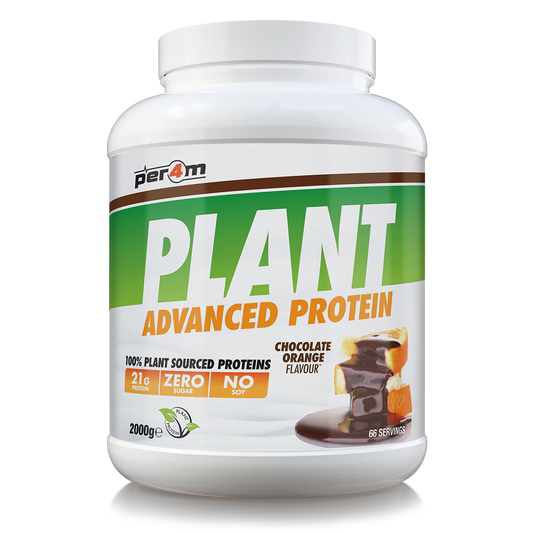
Plant-based options such as Per4m Plant Protein can also support protein intake for those avoiding dairy.
Safety isn’t the issue.
Balance is.

5. Can Protein Shakers Replace Meals?
They can — but they shouldn’t regularly.
A protein shake alone lacks:
• fibre for digestion
• complex carbohydrates for sustained energy
• essential fats for hormone function
• micronutrient diversity
This is where real food support matters.
Combining protein with slow-digesting carbs like Applied Nutrition Cream of Rice creates a more balanced meal replacement when necessary, supporting satiety and stable energy.
RTD shakes are often marketed as meal replacements, but most do not provide the nutritional completeness of a balanced meal.
They are a convenience tool — not a dietary foundation.
Part 1 Intermission
So far, we’ve explored the nutritional reality behind ready-to-drink protein shakes — from ingredient quality and cost to daily safety and whether liquid nutrition can truly replace meals.
In Part 2, we’ll explore:
-
whether protein shakes can harm kidneys or liver
-
if you truly need protein powder for muscle growth
-
how RTD shakes compare to freshly mixed options
-
who should avoid protein shakes
-
signs you may be consuming too much protein
Because the real question isn’t whether protein shakes are good or bad.
It’s whether they’re the right tool for your goals — and how to use them wisely.
PART 2
6. Are Protein Shakes Bad for Your Kidneys or Liver?
For healthy individuals, protein shakes do not damage the kidneys or liver.
This myth persists because high-protein diets increase urea production, which the kidneys filter. In people with existing kidney disease, excessive protein intake may place additional strain on already compromised function. However, in healthy individuals, research consistently shows normal kidney function is unaffected by higher protein intake.
Protein powders are simply concentrated food sources.
Problems arise when:
• total protein intake is excessively high
• hydration is inadequate
• pre-existing medical conditions exist
For active individuals consuming appropriate protein levels, shakes made from sources like Per4m Advanced Whey Protein, MyProtein Impact Whey Protein, or Per4m Plant Protein are safe and effective.
Hydration, balance, and overall diet quality matter far more than the delivery method.
7. Do You Really Need Protein Powder to Build Muscle?
No.
Muscle growth requires:
• progressive resistance training
• sufficient calories
• adequate protein intake
• recovery and sleep
Protein powder is simply a convenient way to reach protein targets.
Whole foods such as meat, fish, eggs, dairy, legumes, and grains provide protein alongside vitamins, minerals, and fibre. However, meeting optimal intake purely through food can be challenging for busy individuals.
This is where shakes become useful — not essential.
They remove friction from consistency.
A quick shake after training can ensure recovery nutrition is not missed, especially when appetite is low or schedules are tight.
Supplements support habits.
They don’t replace them.
8. Are Ready-to-Drink Protein Shakes Healthier Than Powder?
In most cases, no.
Freshly mixed protein shakes offer several advantages over RTDs:
Control & Transparency
You control serving size, sweetness, and ingredients.
Higher Protein Value
Powders often provide more protein per serving and fewer fillers.
Lower Sugar & Additives
Many RTDs include stabilisers, emulsifiers, and added sugars for shelf life and texture.
Cost Efficiency
RTD shakes often cost several times more per serving.
Customisation
You can combine protein with foods such as oats, fruit, or Applied Nutrition Cream of Rice to create a more complete meal.
Lighter options like Applied Nutrition Clear Whey also provide an alternative for those who dislike creamy shakes while maintaining protein quality.
RTDs win on convenience.
Powders win on nutrition, flexibility, and cost.
9. Who Shouldn’t Drink Protein Shakes?
While protein shakes are safe for most people, certain groups should exercise caution or seek professional guidance:
• individuals with kidney disease
• those with specific metabolic disorders
• people with dairy intolerances (unless using plant-based options)
• individuals already consuming excessive protein
Additionally, people who rely heavily on shakes instead of whole foods may miss essential nutrients.
For those avoiding dairy, plant-based options like Per4m Plant Protein provide an alternative without lactose or whey.
Protein shakes should support nutrition — not replace it entirely.

10. What Are the Signs You’re Getting Too Much Protein?
Protein overconsumption is uncommon but possible, especially when multiple shakes are consumed alongside high-protein meals.
Potential signs include:
• digestive discomfort or bloating
• dehydration or increased thirst
• reduced appetite for whole foods
• unnecessary calorie surplus
Most active individuals thrive within recommended intake ranges.
More protein does not equal faster muscle growth.
Consistency, training quality, and overall nutrition remain the primary drivers of results.
Conclusion
Ready-to-drink protein shakes deliver undeniable convenience — but convenience alone does not determine value.
While RTD shakes can be useful in specific situations, they often come with higher costs, added ingredients, reduced satiety, and limited nutritional flexibility. Freshly mixed shakes offer greater control, cleaner ingredient profiles, and significantly better value per serving.
Here’s what matters:
• protein shakes support muscle growth but are not required
• RTD shakes prioritise convenience over flexibility and cost
• powders allow ingredient control and meal customisation
• whole foods provide nutrients shakes cannot replicate
• protein intake should support — not replace — balanced nutrition
For busy days, bottled shakes can be a practical fallback.
For long-term health, performance, and cost efficiency, fresh protein combined with real food remains the smarter choice.
Convenience should support consistency.
Not replace quality.
FAQ
Are ready-to-drink protein shakes healthy?
They can be, but many contain added sugars and fillers. Always check the label.
Are RTD protein shakes as good as powder?
Powder offers better value, ingredient control, and nutritional flexibility.
Do bottled protein shakes build muscle?
Muscle growth depends on training and total protein intake, not the delivery format.
Can protein shakes replace meals?
They can occasionally, but whole foods provide more complete nutrition.
Are protein shakes safe every day?
Yes, if total protein intake and diet balance are appropriate.
Are protein shakes bad for kidneys?
Not in healthy individuals with normal kidney function.
Why are RTD protein shakes more expensive?
Packaging, processing, and shelf stability increase production costs.
Who should avoid protein shakes?
Individuals with kidney disease or specific medical conditions should consult a professional.
Is plant protein as effective as whey?
Yes, when consumed in adequate amounts.
What is the best time to drink a protein shake?
Post-workout or when convenient to meet daily protein needs.